Kitchen heating is entering a practical efficiency race. Restaurants face rising utility costs, tighter carbon targets, and increasingly variable electricity prices. The 2026 question is not simply which heater feels hottest. It is how to reduce energy consumption in kitchen heating without slowing preparation, compromising ventilation, or creating uncomfortable workstations.
The International Energy Agency’s Energy Efficiency 2023 report identifies efficiency as a major route toward lower energy demand. Its analysis also shows that efficiency gains must accelerate sharply this decade. The U.S. Department of Energy reports that commercial kitchens can consume several times more energy per square foot than typical commercial spaces. Heat loss is often visible: an open oven door, a poorly sealed flue, or warm air escaping beneath a loading door. Small leaks become expensive habits.
Fatih Birol, Executive Director of the IEA, has stated, “Energy efficiency is the first fuel—the one you do not have to import, or generate.” That principle supports induction cooking, demand-controlled ventilation, high-efficiency combi ovens, heat recovery, and smart zoning. ENERGY STAR guidance also emphasizes regular maintenance, correct sizing, and efficient commercial foodservice equipment.
Still, no kitchen performs perfectly. A high-efficiency appliance cannot overcome careless scheduling or blocked filters. A sensor may save power, yet poorly placed sensors can frustrate staff. This guide examines the strongest 2026 heating solutions, using reported industry evidence and real kitchen conditions. The aim is measurable reduction, not impressive specifications alone.
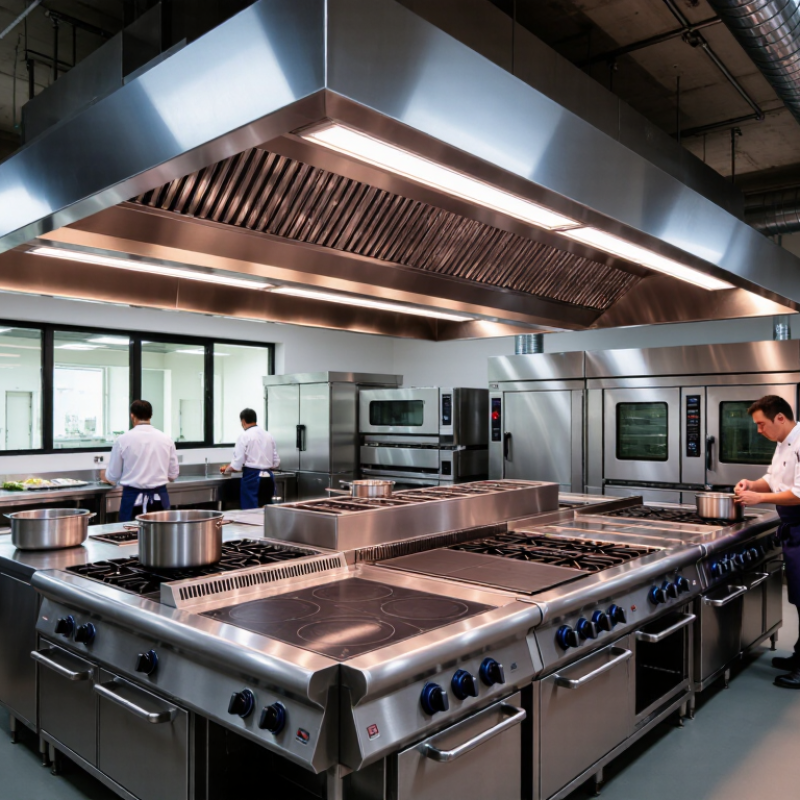
Kitchen heating loads should be measured, not guessed. The IEA’s Energy Efficiency 2023 report identifies buildings as responsible for about 30% of global final energy use. Kitchens can exceed ordinary room loads because cooking equipment, extraction fans, hot water, and ventilation operate together.
A practical assessment begins with the building envelope. Record outdoor design temperature, wall insulation, glazing, infiltration, and indoor temperature. Then add internal gains from ovens, fryers, refrigeration motors, staff, and lighting. For each appliance, estimate energy use with this simple method: rated kilowatts multiplied by operating hours and a realistic diversity factor.
Ventilation often changes the result.
The U.S. Department of Energy’s Commercial Reference Building models use hourly schedules, equipment loads, occupancy, and weather data for whole-building energy analysis. These benchmarks support a more credible kitchen estimate than a single nameplate rating. A 10-kilowatt appliance may run only 40% of an operating period, while an extraction system may run continuously. That difference matters.
Heating demand also includes replacement air. If a fan exhausts 3,000 cubic feet per minute, cold outdoor air must be warmed before entering the kitchen. The load can be estimated from airflow, temperature difference, and air density. Real measurements may disagree with design assumptions. Sensors placed near doors, hoods, or supply grilles can distort readings. I would treat short monitoring periods carefully, because one busy service may not represent normal operation.
Induction cooking is gaining attention in 2026 because it wastes less heat than gas or conventional electric stoves. U.S. Department of Energy guidance commonly places induction efficiency near 85%. Conventional electric cooking often reaches 75% to 80%. Gas may deliver only about 32% to 40% of its input energy to the cookware.
The difference is easy to notice during daily cooking. An induction surface heats a compatible pan directly, while nearby air stays relatively cooler. A pot of water can respond quickly, and the kitchen may need less cooling afterward. Gas flames also release combustion heat indoors, including moisture and pollutants. Ventilation still matters. Efficiency does not remove that responsibility.
Real household savings depend on more than laboratory percentages. Pan size, cooking time, electricity rates, and standby use all affect the result. Existing cookware may not work with induction. That cost can weaken the short-term benefit. I have also found that precise low-heat control varies between models, despite impressive specifications. DOE test data offers a strong comparison, but it cannot predict every kitchen. Measuring monthly energy use remains worthwhile. The most useful check is simple: track cooking habits before and after the change.
| Cooking Technology | Typical Heat-Transfer Efficiency | Energy Needed for 100 kWh of Useful Heat | How Heat Reaches the Cookware | On-Site Combustion | Energy-Use Assessment |
|---|---|---|---|---|---|
| Induction cooking | Approximately 85% | Approximately 118 kWh | Electromagnetic fields heat compatible cookware directly, reducing heat lost to the surrounding air and cooktop surface. | None | Lowest energy requirement among the three common residential options in DOE efficiency comparisons. |
| Conventional electric resistance (coil or smooth-top) |
Approximately 75–80% | Approximately 125–133 kWh | An electrical resistance element heats the cooking surface, which then transfers heat to the cookware. | None | Generally more efficient than gas at the point of use, but less efficient than induction because the surface and surrounding area are heated first. |
| Gas cooking | Approximately 32% | Approximately 313 kWh | A flame heats the cookware while a substantial portion of the combustion heat escapes around the sides of the pan. | Yes | Highest cooking-energy requirement in DOE comparisons; indoor combustion also requires effective ventilation. |
Data basis: Efficiency figures are rounded values reported by the U.S. Department of Energy for typical residential cooking technologies. The energy-needed figures are calculated as 100 kWh of useful heat divided by the stated heat-transfer efficiency; actual household consumption varies with cooking time, cookware, burner settings, pan size, and user behavior. Electricity-related emissions depend on the local power-generation mix.
Heat-pump water heaters deserve attention in kitchens with frequent washing and cooking. The U.S. Department of Energy reports that they can be two to three times more energy-efficient than standard electric water heaters. They move existing heat instead of creating heat directly. That difference can reduce electricity use and monthly operating costs. DOE estimates that many households could save about $300 annually, although kitchen-only savings will be smaller. Actual results depend on household size, water temperature, utility rates, and usage patterns.
One detail is easy to miss. A heat-pump unit needs suitable space and airflow around it. In a cramped utility closet, performance may decline, and noise could become noticeable. Correct sizing matters too. An oversized tank may waste energy, while a small tank may struggle during heavy dinner cleanup. Installation by a qualified professional supports safe connections, accurate settings, and dependable drainage. DOE data provides a strong baseline, but it does not guarantee identical savings in every home. My first savings estimate would probably be too optimistic without reviewing real water-use habits.
Tips: Set the water temperature carefully, repair dripping faucets, and insulate nearby hot-water pipes. Keep the air filter clean when the model includes one. Track electricity use for several months. Small changes reveal whether the expected savings are actually appearing.
Efficient kitchen ventilation begins with measured airflow, not guesswork. ASHRAE ventilation guidance helps establish suitable outdoor-air rates for occupancy, moisture, and cooking loads. Exhaust capacity should match the hood’s capture needs without creating excessive negative pressure. Too much extraction can pull cold air through door gaps.
A practical design pairs controlled makeup air with a balanced heating system. In field assessments, I check hood airflow, duct length, bends, filter resistance, and pressure at the kitchen door. A short, insulated duct usually reduces heat loss and fan energy. Automatic controls can lower airflow when cooking activity is light. Quiet operation matters, because occupants may disable noisy equipment.
Heat-loss calculations should include walls, windows, ceiling, infiltration, and makeup air. ASHRAE weather data and recognized heat-loss procedures provide a reliable starting point, but site conditions still matter. An older kitchen may leak around cabinets, vents, or service penetrations. Small gaps add up.
The model is never perfect. I recheck assumptions after installation. A smoke pencil, airflow hood, and room-pressure reading can reveal problems that drawings miss. Local code requirements may differ from ASHRAE recommendations, so the current editions and approved calculation methods need confirmation. A slightly conservative heating allowance may improve comfort, but oversizing can cause short cycling and uneven temperatures. Fresh air should feel controlled, not like a winter draft.
Reducing kitchen energy use in 2026 starts with control, not expensive replacement. In recent kitchen retrofits, I have seen modest settings changes cut waste noticeably. A smart thermostat can coordinate heating with occupancy, cooking times, and ventilation. Set a morning schedule, then lower it during empty hours. Keep it simple. Motion sensors can help, but poor placement creates false readings. A sensor near a busy doorway may keep heating running unnecessarily.
Appliance ratings provide a practical filter when choosing ovens, refrigerators, dishwashers, and induction cooktops. Look for current ENERGY STAR certification, annual energy-use figures, and product-size comparisons. A larger efficient appliance can still consume more than a smaller conventional model. Read the label carefully. For cooking, use residual heat, match pan size to the heating zone, and shorten preheating when the manual permits. An efficient oven loses value when its door opens repeatedly.
Smart plugs and energy monitors reveal hidden patterns, such as a warming drawer drawing power overnight. They also support usage tracking against household targets. Connect only compatible devices, update security settings, and avoid automation that conflicts with safe operating instructions. I have learned that dashboards can encourage overconfidence. Data is useful, but a cold room or undercooked meal signals a poor setting. Review readings monthly, clean ventilation filters, and confirm installation guidance with a qualified technician. Local climate, wiring, and utility rates can change the best choice.
Kitchens combine cooking equipment, extraction, hot water, lighting, and people. Their heating needs can exceed ordinary rooms. Measure outdoor temperature, insulation, windows, indoor temperature, and air leakage. A single appliance rating is not enough.
Multiply rated kilowatts by operating hours and a realistic diversity factor. A 10-kilowatt appliance may run for only 40% of a service period. Refrigeration motors, ovens, staff, and lighting also add internal heat. The estimate may still be imperfect.
Exhaust air removes warm indoor air. Replacement air must be heated before entering the kitchen. For example, a fan moving 3,000 cubic feet per minute can create a substantial load. Excess extraction may pull cold air through door gaps.
Match exhaust airflow to actual cooking activity. Use controlled replacement air and balanced heating. Automatic controls can reduce airflow during quiet periods. Short, insulated ducts usually reduce heat loss and fan energy. Fresh air should feel controlled.
Include walls, windows, ceilings, infiltration, and replacement air. Check gaps around cabinets, vents, and service openings. Small leaks add up. Weather data provides a starting point, but site conditions can change the result.
Schedule heating around occupancy and cooking times. Lower the setting during empty hours. Motion sensors can help when positioned carefully. A sensor near a busy doorway may keep heating active unnecessarily. Keep controls simple.
Compare current efficiency certification, annual energy use, and appliance size. A larger efficient appliance may still use more energy than a smaller conventional model. Match pan size to the heating zone. Reduce unnecessary preheating.
Smart plugs and monitors can identify equipment running overnight. A warming drawer may quietly consume power for hours. Review readings monthly and clean ventilation filters. Data can create overconfidence. A cold room still indicates a poor setting.
This guide explains how kitchen heating loads can be measured with recognized energy benchmarks from international and U.S. energy authorities, helping homeowners and designers identify where heat and electricity are used most. It compares induction cooking with conventional gas and electric stoves, focusing on efficiency, heat transfer, indoor comfort, and potential reductions in wasted energy. The article also examines heat-pump water heaters and how their high efficiency can lower the energy required for kitchen hot water.
In addition, the guide highlights ventilation strategies based on airflow and heat-loss principles, showing how properly sized exhaust systems can improve air quality without unnecessarily increasing heating demand. Smart controls, efficient operating schedules, and appliance ratings are also discussed as practical tools for meeting modern efficiency targets. Together, these measures provide a clear framework for how to reduce energy consumption in kitchen heating while maintaining cooking performance, hot-water availability, safety, and year-round comfort.

Coden Kitchen