When establishing a successful restaurant, understanding "what equipment is essential for a restaurant kitchen" is vital. Chef Michael White, an expert in the culinary industry, emphasizes, “The right tools can transform the cooking experience.” Selecting the best equipment can ensure efficiency and enhance the overall dining experience.
Consideration of kitchen space, menu complexity, and budget is crucial. Essential tools include ovens, grills, and refrigeration units. Each piece of equipment serves a unique purpose. A high-quality range may cost more upfront but will last longer and perform better. Avoiding thoughtless purchases of trendy gadgets can save time and resources.
Reflection on your kitchen needs is essential. What fits your concept and workflow? Assess your team's cooking methods. Small changes in equipment can lead to significant improvements. Think critically about every piece you add. The right equipment is not just an expense; it's an investment in quality and service.
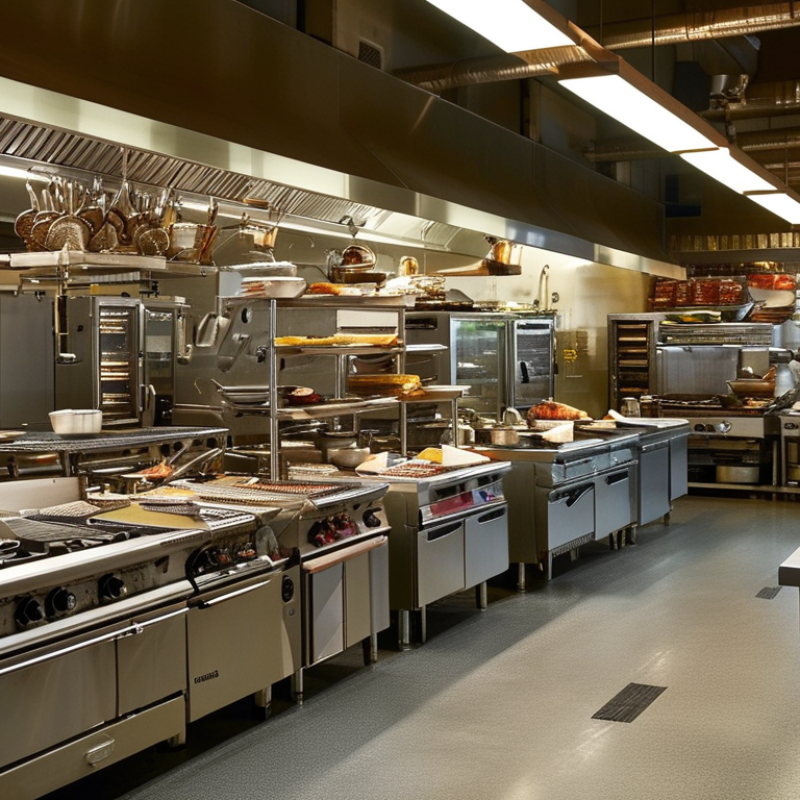
When designing a restaurant kitchen, the size and layout are crucial. The National Restaurant Association reports that effective kitchen design can enhance operational efficiency by up to 30%. A well-thought-out space allows staff to move effortlessly between workstations. Consider the flow of ingredients, staff, and finished dishes. An efficient layout minimizes unnecessary steps.
Assess the kitchen space based on the expected menu and peak service times. For instance, a fast-casual restaurant may benefit from a linear layout, while a fine dining establishment might require distinct stations for specific tasks. According to the Food Service Equipment Reports, over 60% of restaurant owners find layout changes crucial post-launch. This underlines the importance of planning and flexibility in your kitchen design.
Evaluate utilities and safety regulations. Ensure that space allows for ventilation and equipment clearance. A cramped kitchen can lead to accidents and errors in food preparation. Regular reassessment of your layout is necessary. This adaptability can improve employee satisfaction and productivity, which are vital for long-term success.
When selecting essential kitchen equipment, consider your menu type. A fine-dining restaurant needs different tools than a casual eatery. For instance, a grill is vital for steakhouses, while a pizza oven is essential for Italian cuisine. Evaluate your dishes. What techniques do you require? This helps narrow down the equipment list.
Focus on versatility when choosing equipment. An induction burner can serve various cooking needs. Tables and storage areas should facilitate efficient workflow. Non-stick pans are critical for delicate items, but their lifespan may vary under heavy use. Chefs should also evaluate their knife sets for quality. A reliable knife can significantly enhance food preparation.
Reflection is vital during this process. Are you over-investing in equipment? A smaller operation may not need a full-scale fryer. Moreover, assess maintenance costs. Some machines may require more upkeep than they are worth. Balancing quality, price, and functionality ensures a well-equipped kitchen without unnecessary burden.
Selecting the right refrigeration and storage solutions is crucial for maintaining the freshness of ingredients in a restaurant kitchen. Consider the size of your kitchen and the volume of ingredients you handle daily. Compact units might work for small spaces, while larger operations may require walk-in coolers. Assess the energy efficiency of each option. It’s not just about cooling but cost-effectiveness over time.
Fresh ingredients need proper temperature control to ensure quality. Pay attention to temperature ranges for different food types. Meats, dairy, and produce all have unique requirements. Using proper shelving can maximize the space in your cooler. Vertical storage reduces clutter and keeps items organized. However, you might falter in picking the right layout the first time. Be open to re-evaluating your setup as the menu evolves.
Regular maintenance of refrigeration equipment is often overlooked. Dirty coils or worn seals can reduce efficiency. Schedule routine checks to avoid unexpected failures. Reflect on past experiences where neglect led to spoilage. Prioritizing regular upkeep can result in significant cost savings in the long run. Tailoring your refrigeration strategy can be an ongoing process, adjusting as your kitchen needs change.
| Equipment Type | Description | Capacity (Cubic Feet) | Energy Efficiency Rating | Ideal Use |
|---|---|---|---|---|
| Reach-in Refrigerator | Accessible cold storage for frequently used ingredients. | 20-30 | Energy Star Certified | Prep areas, line stations |
| Undercounter Freezer | Compact cooling solution for limited space. | 10-15 | Energy Star Certified | Bar areas, small kitchens |
| Walk-in Cooler | Large storage for bulk ingredients and supplies. | 200-1000 | Super Energy Efficient | Food storage, large volume usage |
| Chest Freezer | For long-term storage of bulk frozen items. | 15-35 | Moderately Efficient | Storage of frozen meats and ice cream |
| Display Refrigerator | Showcase items to customers while keeping them cool. | 12-25 | Energy Star Certified | Retail spaces, buffets |
When setting up a restaurant kitchen, safety and sanitation equipment must be prioritized. A clean kitchen not only protects food quality but also ensures staff safety. Investing in high-quality sanitizing solutions and proper storage systems is crucial. Make sure your kitchen layout supports easy cleaning and maintenance.
Always remember, hygiene practices start with proper equipment. Handwashing stations should be easily accessible. Employees must be trained to use sanitizers correctly. This prevents cross-contamination and ensures the safety of your food. Regular checks on expiration dates for sanitizing products help maintain their effectiveness.
Consider incorporating a checklist for daily sanitation tasks. This can improve accountability and highlight areas needing attention. Frequent kitchen audits can reveal blind spots in cleanliness routines. Keeping your kitchen safe and sanitary requires persistent effort from everyone on the team. Encourage an open dialogue about best practices and challenges faced.
When budgeting for your restaurant kitchen equipment, it’s crucial to balance cost and quality. A recent survey from the National Restaurant Association revealed that 70% of restaurants consider equipment purchasing as a key part of their operational expenses. Investing in high-quality equipment can lead to better food consistency and a reduction in maintenance costs. Low-quality items might save you money upfront but could lead to expensive repairs or replacements down the road.
Consider the life cycle costs of kitchen equipment. A report from Equipment Leasing and Finance Association shows that quality equipment can last up to 15 years, while cheaper options might only last five. This durability means better long-term value. Analyze how often you cook certain items. If a piece of equipment is critical for your menu, prioritizing its quality makes sense, even if it stretches your budget.
Reflecting on your spending trends is important. Many establishments overspend on flashy gadgets that don’t enhance their menu significantly. It’s essential to distinguish between a nice-to-have and a must-have. Make data-driven decisions based on your kitchen's specific needs, rather than following trends blindly. Balancing these factors creates a more sustainable financial model.
: Kitchen layout is crucial. A good design can enhance efficiency by up to 30%.
Base your assessment on the menu and peak service times. Think about the flow of ingredients and staff.
Over 60% of owners find layout changes necessary post-launch. Flexibility in design is essential for efficiency.
Ensure ventilation and equipment clearance. A cramped kitchen increases accidents and errors.
High-quality equipment enhances food consistency and reduces maintenance costs over time.
Cheaper items may save money upfront, but can lead to expensive replacements later.
Quality equipment can last up to 15 years, while cheaper options might last only five years.
Analyze menu needs. Prioritize critical equipment even if it means stretching your budget.
Assess spending trends. Avoid overspending on flashy gadgets that don't enhance the menu meaningfully.
Use data-driven insights tailored to your kitchen's needs, instead of following trends blindly.
When determining what equipment is essential for a restaurant kitchen, it is crucial to start by assessing the size and layout of the space. A well-planned kitchen is essential for efficient workflow and can maximize staff productivity. Next, identifying key cooking equipment tailored to the type of menu you plan to offer is vital, as different cuisines may require specialized tools.
In addition to cooking equipment, exploring refrigeration and storage solutions is important for maintaining the freshness of ingredients, while understanding the significance of safety and sanitation equipment ensures compliance with health regulations. Lastly, budgeting for kitchen equipment should involve a careful balance between cost and quality, enabling you to invest in the essentials that will meet your operational needs while remaining financially feasible.

Coden Kitchen