Step by Step Guide to Setting Up a Commercial Kitchen?

Time:2026-08-31 Author:Ethan
0%

Setting up a commercial kitchen can be daunting. It requires planning and attention to detail. Many aspiring chefs and restaurant owners wonder how to set up a commercial kitchen step by step. This process involves various stages, from understanding local regulations to choosing the right equipment.

A well-designed kitchen not only enhances efficiency but also supports food safety standards. Mistakes can be costly. Skipping steps may lead to future frustration. It's crucial to reflect on your layout and workflow. Instinctively, you might want to rush; however, taking the time for proper planning pays off.

Consider the unique needs of your menu and staff. Every decision, from equipment selection to storage solutions, influences kitchen operations. Embracing challenges will help you create a space that fosters culinary creativity. Ultimately, this journey is not just about setting up a kitchen; it’s about building a foundation for success.
Step by Step Guide to Setting Up a Commercial Kitchen?

Understanding the Basics of a Commercial Kitchen Setup

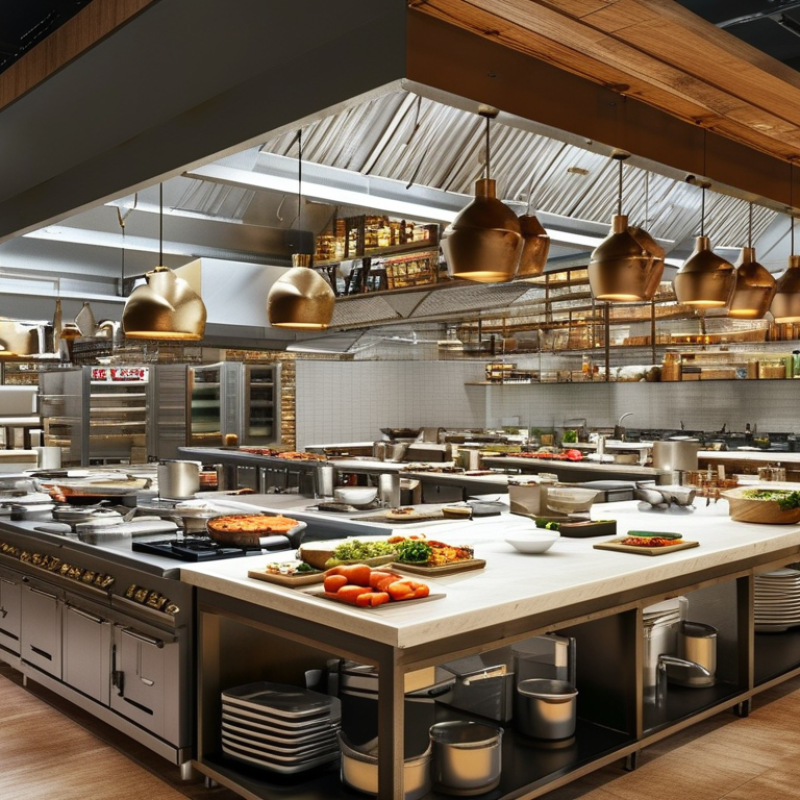
Setting up a commercial kitchen requires careful planning and consideration. The layout is essential for efficiency. Consider the workflow from food preparation to serving. This means placing equipment and stations in a logical order. A well-thought-out design minimizes movement and speeds up service. Yet, you may need to adapt your plans as you see how the kitchen functions in real life.

Equipment selection is another critical aspect. You’ll need ovens, refrigerators, and cutting tools. Each piece must meet health standards and fit within your space. It's easy to underestimate how much equipment you need. This can lead to overcrowding or missing essential items. Take time to ensure your choices align with your menu and volume of business.

Storage is often overlooked, yet it can impact performance. Sufficient space for ingredients and tools helps maintain organization. Poor storage can lead to safety hazards and inefficiencies. Remember to review and adjust storage solutions as your kitchen evolves. Regular reflections on operational flow and equipment utilization are necessary for continuous improvement.

Kitchen Equipment Setup Overview

Selecting the Right Location for Your Commercial Kitchen

Selecting the right location for your commercial kitchen is crucial to your success. The area should have easy access for suppliers and customers. Consider the traffic flow around the site. A busy location may be beneficial for delivery services. However, high-traffic areas can also increase rent costs. Balance visibility with budget limitations.

Proximity to your target market matters. If you plan to serve local businesses or events, being nearby can strengthen relationships. Research the area's competition. Too many kitchens in one place might dilute your customer base. Look for gaps in the market. There could be an opportunity for unique cuisine that isn't offered nearby.

Think about zoning regulations and health codes. Each area has different requirements. Some locations may impose stricter rules. Make sure you have proper permits in place, or you might face consequences. A location may look perfect on paper, but practical concerns could hinder operations. Take your time to evaluate all factors. This decision impacts your kitchen's efficiency and overall success.

Essential Equipment and Tools for a Commercial Kitchen

When setting up a commercial kitchen, selecting the right equipment is crucial. Industry reports indicate that the average expenditure for commercial kitchen equipment can be between $40,000 and $150,000, depending on the establishment's size. Critical tools include ovens, stovetops, refrigeration units, and dishwashers. These appliances not only ensure food safety but also enhance workflow efficiency in busy environments.

In addition to basic cooking equipment, consider specialized tools like food processors and mixers. According to a survey by the National Restaurant Association, 78% of chefs emphasize the importance of having high-quality kitchen tools. However, they also highlight the risk of overspending on seldom-used equipment. Investing in versatile, high-performance tools can save money and space.

Proper layout and equipment placement are essential for operational success. A poorly designed kitchen can lead to bottlenecks and inefficiencies, affecting service delivery. Regular maintenance of kitchen equipment is also necessary to prevent costly breakdowns. Many operators overlook this, which can result in unexpected expenses. Balancing equipment quality, cost, and utility is key for a thriving commercial kitchen.

Step by Step Guide to Setting Up a Commercial Kitchen - Essential Equipment and Tools for a Commercial Kitchen

Equipment/Tool Purpose Quantity Estimated Cost
Commercial Oven Baking, roasting, and cooking meals 2 $5,000
Refrigeration Unit Storing perishable ingredients 3 $3,000
Commercial Range Cooking and sautéing dishes 2 $4,000
Dishwasher Cleaning dishes and utensils 1 $3,500
Prep Tables Food prep and assembly 5 $1,500
Mixers and Blenders Mixing dough, blending sauces 3 $2,000
Pots and Pans Cooking various dishes 10 $800
Utensils Cooking, serving, and baking Various $500

Planning the Layout for Efficiency and Safety

When designing a commercial kitchen, efficiency and safety must guide the layout planning. Start by evaluating the workflow. Identify areas for food prep, cooking, and serving. These zones should minimize foot traffic and prevent cross-contamination. Consider the placement of equipment like ovens and fryers. Heat sources should be away from refrigeration units. This helps maintain temperature stability.

Proper spacing is crucial. Each station should have adequate room for staff movement. Crowded areas increase the risk of accidents. Evaluate the kitchen’s lighting. Bright, even lighting supports visibility, enhancing safety while reducing errors. Don’t forget storage. Dry storage should be separate from wet areas to prevent spoilage.

Be ready to adapt your layout based on staff feedback. Often, what looks efficient on paper doesn’t translate well in practice. Regular reviews can help fine-tune the space. Observing the daily operations will reveal bottlenecks or hazards you may not have noticed initially. Always prioritize the well-being of your team while optimizing workflow.

Navigating Health Regulations and Permits for Your Kitchen

Navigating health regulations and permits is crucial for setting up a commercial kitchen. The landscape of food safety laws can be complex. According to the FDA, nearly 48 million people in the U.S. fall ill from foodborne illnesses each year. This highlights the importance of understanding local health codes and regulations.

Each state has unique requirements. These can include health inspections, food handler permits, and safety certifications. The average time to obtain necessary permits ranges from 30 to 90 days. This timeline can delay your kitchen’s opening. Regulations often change, making it essential to stay updated. Regular training sessions for staff in food safety practices are recommended.

Maintaining compliance can be challenging. Frequent audits by health departments ensure kitchens meet regulations. A significant percentage of establishments fail initial inspections, pointing to issues in sanitation or food storage practices. Engaging a health consultant can improve the likelihood of success. Keeping detailed records of inspections and compliance measures is vital for ongoing operations. Understanding these aspects not only protects your business but also safeguards customer well-being.

FAQS

: Why is the location of a commercial kitchen important?

: The right location ensures easy access for suppliers and customers, which affects overall success.

How does traffic flow impact a kitchen's location?

Busy areas can enhance delivery services but may also raise rent costs, leading to a tough balance.

What should I assess about the local market before choosing a location?

Research local competition and seek market gaps for unique offerings that cater to nearby customers.

Are zoning regulations important in selecting a kitchen location?

Yes, different areas have various health codes and permits; failing to comply can result in serious issues.

What is the average cost for setting up a commercial kitchen?

Average expenditures for equipment range from $40,000 to $150,000, depending on size and needs.

What essential equipment should I include in a commercial kitchen?

Key tools include ovens, stovetops, refrigeration units, and dishwashers for food safety and efficiency.

How can I avoid overspending on kitchen equipment?

Invest in versatile, high-performance tools that offer value and space savings, avoiding seldom-used items.

Why is kitchen layout important?

A well-designed layout improves workflow, while poor design can cause bottlenecks and affect service delivery.

How often should kitchen equipment be maintained?

Regular maintenance is crucial to avoid unexpected breakdowns, which many operators tend to overlook.

What factors should I reflect on when setting up a commercial kitchen?

Balance quality, cost, and equipment utility. Evaluate all factors thoroughly; hasty decisions can backfire.

Conclusion

Setting up a commercial kitchen requires careful planning and execution to ensure efficiency and compliance with health regulations. First, it's essential to understand the basics of a commercial kitchen setup, which includes recognizing the necessary permits and health regulations that govern food service operations. Selecting the right location is crucial, as it influences accessibility, visibility, and operational effectiveness.

Once the foundation is set, focus on acquiring essential equipment and tools tailored to your kitchen's menu and workflow. Lastly, planning the layout for efficiency and safety will optimize space utilization and enhance productivity. This comprehensive overview will guide you on how to set up a commercial kitchen step by step, ensuring a functional and compliant environment for your culinary endeavors.

Ethan

Ethan

Ethan is a seasoned marketing professional with a deep expertise in our company's innovative product line. With a passion for sharing knowledge and insights, he takes the lead in regularly updating our corporate blog, where he explores industry trends, product features, and effective marketing......