Cooking outdoors can be a challenge, especially when it comes to food safety. According to expert chef Jamie Smith, "Knowing how to heat food safely outside the kitchen is crucial for avoiding health risks." As many people venture into camping, picnics, or outdoor gatherings, the demand for safe cooking methods increases.
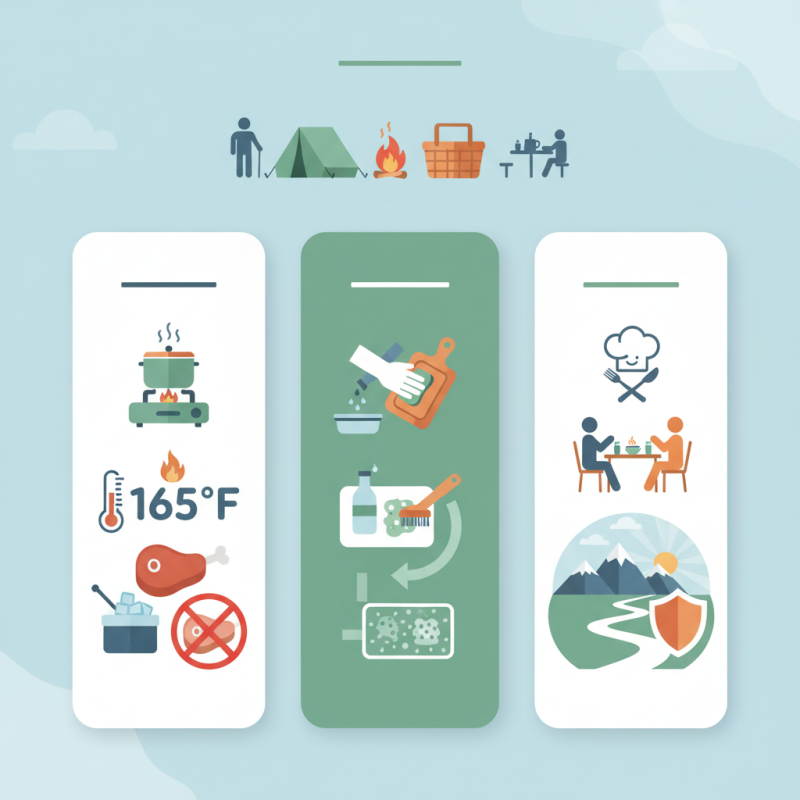
Heating food outdoors requires attention. Portable grills and camp stoves are popular choices. However, one must consider the risk of undercooking or cross-contamination. Using a food thermometer can help ensure food reaches safe temperatures. For instance, meat should be cooked to at least 165°F. Proper food storage is equally important to prevent spoilage.
Don't overlook the importance of cleanliness. Wash hands and surfaces regularly to avoid foodborne illnesses. Many people need reminders about hygiene outdoors. While it's easy to focus on cooking techniques, neglecting these details can lead to serious consequences. Therefore, understanding how to heat food safely outside the kitchen is vital for enjoyable and safe meals.
Understanding the Basics of Outdoor Food Heating Methods
Outdoor cooking can be a delightful experience. However, it requires a good understanding of safe food heating methods. Many people often underestimate the risks involved in cooking outside. Raw food can harbor harmful bacteria if not heated properly. Using effective methods ensures both safety and taste.
One popular method is using portable grills. They are versatile and can cook various foods evenly. Keep a close eye on the temperature, as undercooked meats can pose health risks. Another option is solar cookers. They harness sunlight to cook food slowly. While eco-friendly, they require sunny weather to work effectively.
Creative solutions include campfires. They bring warmth and a unique flavor to food. However, this method can be unpredictable. The heat may vary, requiring constant monitoring. It’s crucial to have a backup plan for cooking. Mistakes can happen, and food may burn or be unevenly cooked. Exploring these methods can enhance your outdoor cooking experience, but always prioritize safety.
Choosing the Right Equipment for Outdoor Cooking
When cooking outdoors, selecting the right equipment is essential. Portable grills are popular for their ease of use and versatility. They allow you to grill meat, veggies, and even bake. Consider the size. A smaller grill is more portable but limits cooking space.
Another option is a camp stove. These stoves can boil water quickly and handle various pots and pans. They are often lightweight, making them ideal for hiking trips. However, setting up a camp stove might require practice, especially if you're new to outdoor cooking.
Don’t overlook the importance of safety. Always ensure proper ventilation while cooking. Keep flammable items away from your heat source. Accidents can happen easily, and it's crucial to be cautious. Testing out your equipment at home can help avoid surprises outdoors.
Whether you’re grilling or boiling, preparation will lead to better meals and a safer experience.
Safety Tips for Heating Food Outdoors Effectively
Heating food outdoors offers unique challenges. Safety is crucial in this context. According to the Centers for Disease Control and Prevention (CDC), nearly 48 million people fall ill from foodborne illnesses annually in the U.S. This emphasizes the need for safe practices while preparing meals outside.
When heating food outdoors, keep it at safe temperatures. Hot foods should reach at least 165°F (74°C). Use a food thermometer to ensure accuracy. Avoid placing food in the "danger zone" between 40°F and 140°F (4°C to 60°C) for prolonged periods. Invest time in organizing your cooking area. It should be clean and free from pests like insects and rodents. Proper sanitation is key.
Many people overlook proper storage techniques. Always store raw foods separately from cooked foods. This reduces the risk of cross-contamination. Also, consider the wind and weather conditions. Wind can affect cooking times and temperatures. Take notes on what works and what doesn’t for future reference. Embrace these lessons; adaptability is part of outdoor cooking. Each experience adds to your expertise and confidence.
Alternatives to Traditional Cooking Appliances for Outdoor Use
When cooking outdoors, traditional appliances aren't always available. Thankfully, there are several effective alternatives. One popular option is the portable grill. These compact devices are easy to set up. They use charcoal or propane, providing a great way to cook meats and vegetables. The smoky flavor is hard to resist.
Another excellent choice is a camp stove. These stoves are lightweight and can fit into most backpacks. They usually run on propane, making them efficient for quick meals. Place a pot on the stove, and you can boil water or heat pre-cooked meals in minutes. Just remember to check the fuel levels before heading out.
For those who love the sun, solar cookers are an innovative choice. They harness sunlight to heat food. While they take longer than other methods, they are eco-friendly. The cooking process can be slow, requiring patience and time. Each method has its pros and cons. Choose the one that fits your outdoor needs best, and you'll enjoy delicious meals under the open sky.
Best Practices for Food Safety When Eating Outdoors
Outdoor dining can be a delightful experience, but it comes with unique food safety challenges. According to the USDA, foodborne illnesses affect one in six Americans annually. Keeping food at safe temperatures is crucial. Hot foods should remain above 140°F (60°C) to prevent bacteria growth, while cold foods must stay below 40°F (4°C). Use a food thermometer to ensure proper cooking and serving temperatures.
Additionally, hygiene plays a vital role. Over 50% of foodborne illnesses stem from poor handling practices. Always wash hands before and after handling food. If soap and water are unavailable, use hand sanitizer with at least 60% alcohol. When prepping food outdoors, consider using disposable gloves. This adds an extra layer of sanitation, especially when dealing with raw meats.
Plan your menu with safety in mind. Choose foods that are less prone to spoilage, like fruits and vegetables. Keep perishables on ice whenever possible. If grilling, ensure meats reach the appropriate temperatures to eliminate harmful bacteria. Studies show that nearly 75% of people underestimate the importance of proper cooking times. Inadequate cooking can lead to severe health risks, making food safety awareness a priority for successful outdoor meals.
Outdoor Food Heating Methods and Their Safety Ratings
FAQS
: Hot foods should reach at least 165°F (74°C) for safety.
Use proper sanitation and avoid the "danger zone" temperatures between 40°F and 140°F.
Wind can affect cooking times. Monitor closely and adjust cooking methods as needed.
Always keep raw foods separate from cooked foods to avoid cross-contamination.
Yes, always wash hands before and after handling food to prevent illness.
Undercooked meats can harbor harmful bacteria, posing health risks.
Yes, but it requires constant attention due to varying heat levels.
Use ice packs or coolers to keep perishables at safe temperatures.
Keep notes on what works and what doesn’t. Learn from each cooking experience.
Improper storage can lead to serious health risks from spoiled food.
Conclusion
When considering how to heat food safely outside the kitchen, it's essential to understand various outdoor food heating methods, ranging from portable grills to solar cookers. Choosing the right equipment is crucial to ensure efficiency and safety, as well as to accommodate the specific outdoor settings. It is also important to follow safety tips, such as maintaining proper ventilation and keeping equipment away from flammable materials.
Moreover, there are several alternatives to traditional cooking appliances that are suitable for outdoor use, including camp stoves and fire pits. Best practices for food safety should always be prioritized, including keeping food at safe temperatures and managing cross-contamination. By following these guidelines, anyone can enjoy a delicious outdoor meal while confidently ensuring that they know how to heat food safely outside the kitchen.

 Coden Kitchen