How does an induction cooking system work in restaurants? The answer begins beneath the stainless-steel surface. A copper coil carries alternating electrical current. This creates a rapidly changing magnetic field. When a compatible pan sits above it, the pan itself becomes the heat source.
That detail changes the working environment. The cooktop stays comparatively cooler. Heat appears quickly inside the pan. A sauce can simmer beside a busy service line without an open flame. The process also reduces heat escaping into the kitchen. ENERGY STAR reports that induction can transfer approximately 85% of its input energy directly to cookware. The U.S. Department of Energy identifies induction as a highly efficient commercial cooking technology, especially where ventilation and temperature control matter.
Chef and food writer J. Kenji López-Alt has described induction burners as “the future of cooking” in his Serious Eats coverage. His observation reflects practical experience, not only laboratory theory. Restaurant chefs can adjust power almost instantly, protect delicate reductions, and maintain cleaner stations.
Still, the picture is incomplete. Not every pan works. Some kitchens need higher electrical capacity, specialized controls, or new staff training. Installation costs can also challenge smaller restaurants. These limitations deserve attention.
This guide examines the equipment, magnetic heating process, cookware requirements, energy performance, safety considerations, and real service conditions. It also questions a common assumption: efficient technology is not automatically the best choice for every kitchen.
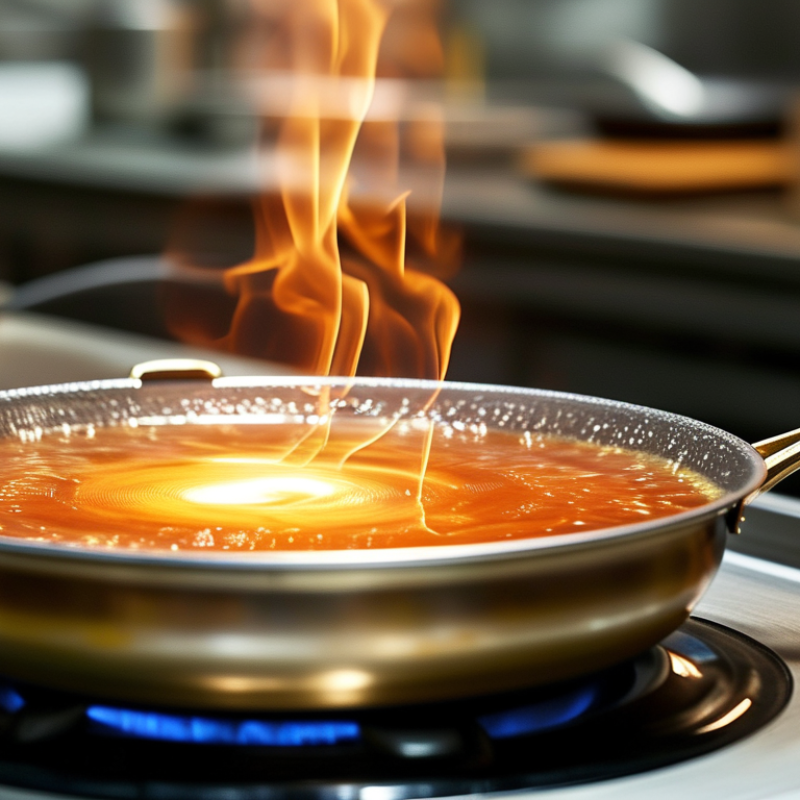
An induction cooking system uses electricity and magnetism to heat cookware directly. Beneath its ceramic surface, a copper coil creates a rapidly changing magnetic field. When a compatible iron or stainless-steel pan sits above the coil, electrical currents form inside the pan. Those currents produce heat. The pan becomes the heating element.
The glass surface usually stays cooler than a traditional burner. However, it can still become hot from the pan. In a restaurant, this distinction matters. A chef can adjust heat almost immediately, which helps control sauces, eggs, and delicate seafood. There is less open flame, and the smooth surface can simplify cleaning between service periods. It is quiet. Very quiet.
The system needs suitable cookware. A simple magnet test can confirm whether a pan will work. Flat bottoms also improve contact and heating consistency. Most units detect pan size and stop heating when the pan is removed. That feature supports safer workflows, but it is not a substitute for supervision. I have seen cooks assume every metal pan is compatible, which is an easy mistake. Large kitchens must also check electrical capacity, ventilation, and simultaneous power demand. Induction is efficient, but efficiency does not remove installation limits. A busy line can still experience uneven results when pans are crowded or settings are changed too quickly.
| System Dimension | How It Works or Typical Data | Restaurant Relevance |
|---|---|---|
| Primary Energy Source | Electricity powers a copper induction coil located beneath the cooking surface. | The kitchen requires a suitable electrical supply rather than a gas connection for the cooking unit. |
| Heat-Generation Principle | The coil produces a rapidly alternating magnetic field. This field induces electrical currents inside compatible metal cookware, and the cookware itself generates heat. | Heat is produced directly in the pan instead of first heating a flame, grate, or exposed heating element. |
| Heat-Transfer Efficiency | Commercial induction systems commonly transfer about 80–90% of their input energy to the cookware, depending on the equipment and pan. | Less energy is lost around the pan, which can reduce cooking-area heat and energy waste. |
| Heating Speed | The pan begins heating almost immediately after the system detects compatible cookware and activates the power. | Fast response supports high-volume sautéing, boiling, searing, and à la carte cooking. |
| Power Range | Commercial countertop and built-in units often provide approximately 1.8–5.0 kW per cooking zone; larger systems may combine several zones. | The required power determines cooking speed, circuit capacity, installation cost, and the number of appliances that can operate simultaneously. |
| Temperature Control | Electronic controls adjust the electrical power delivered to the induction coil. Many systems provide multiple power levels or precise temperature settings. | Accurate control helps maintain sauces, melt delicate ingredients, and reduce scorching during long cooking periods. |
| Compatible Cookware | Cookware must contain a magnetic material, such as cast iron or magnetic stainless steel. A simple magnet test can indicate compatibility. | Nonmagnetic aluminum, copper, glass, and some stainless-steel pans will not heat unless they include a magnetic base. |
| Pan-Detection Function | Sensors detect whether suitable cookware is positioned over the active cooking zone. Many units reduce or stop power when the pan is removed. | This feature helps prevent unattended heating and avoids wasting energy when a zone is empty. |
| Surface Temperature | The glass-ceramic surface is heated mainly by contact with the hot pan; it does not normally produce heat in the same way as a radiant element. | The cooking surface generally cools faster than a gas grate or conventional electric element, although it can remain hot after use. |
| Ventilation Demand | Induction produces no combustion gases and usually releases less ambient heat than open-flame cooking, but cooking vapors, grease, smoke, and odors still require ventilation. | Exhaust requirements depend on the menu, cooking method, local regulations, and the overall kitchen design. |
| Cooking Accuracy | Power changes take effect quickly because the system can increase or reduce electromagnetic energy without waiting for a flame or element to heat. | Rapid adjustment improves consistency for repeated recipes and temperature-sensitive preparation. |
| Cleaning and Hygiene | A flat, sealed glass-ceramic surface has fewer raised parts and joints than many traditional cooking arrangements. | Spills can usually be wiped away more easily after the surface has cooled, supporting faster station turnover. |
| Safety Considerations | There is no open flame, and many systems include overheat protection, residual-heat indicators, automatic shutoff, and pan detection. | Staff still need protection from hot cookware, hot liquids, steam, sharp pan edges, and electrical hazards. |
| Installation Requirements | Installation may require dedicated high-capacity circuits, correct voltage, adequate clearance, cooling airflow, and professional electrical work. | Electrical load planning is essential when several high-power cooking zones operate during peak service. |
| Routine Maintenance | Daily care typically includes wiping the surface, keeping air intakes clear, checking power cords and controls, and following the equipment service schedule. | Preventive maintenance helps protect electronic components and maintain stable heating performance. |
| Main Operating Limitation | Performance depends on cookware material, pan size, pan position, electrical capacity, and the unit's power-sharing design. | Restaurants should test representative cookware and confirm peak-load requirements before selecting an induction setup. |
Note: Performance ranges are typical industry values and can vary with equipment design, cookware construction, operating conditions, and local installation requirements.
An alternating current moves through a copper coil. The coil creates a changing magnetic field. That field produces electrical currents inside compatible cookware. Metal resistance turns those currents into heat.
No. The pan generates most of the heat. The glass usually stays comparatively cooler. It can still become hot from pan contact.
Use cookware with a flat, magnetic base. Test it with a magnet before service. If the magnet sticks firmly, the pan may work. Compatibility still depends on the cookware design.
Induction transfers about 85% of input energy to cookware. Conventional electric cooking transfers roughly 75–80%. Gas cooking transfers around 32%. These figures are estimates, not promises.
Pan flatness, coil size, ventilation, and staff habits affect results. A small gap can slow heating. Poor centering wastes useful energy. The numbers can mislead.
It produces less surrounding heat than open-flame cooking. Staff may feel more comfortable during long shifts. Ventilation may still be necessary. Heat has not disappeared.
Hot pans can burn hands, even when the surface looks cool. Oil spills, overloaded circuits, and unattended pans remain dangerous. Induction removes open flames, not every fire risk. Careless work still matters.
Let the surface cool before wiping spills. Inspect cables, seals, and cooling vents weekly. Keep ventilation filters clean. Use a simple logbook for overheating and slow recovery.
Record warm-up time, peak demand, and recovery after a cold-pan load. Center each pan over its coil. Use a surface thermometer during commissioning. Displayed power is not pan temperature.
A rushed electrical installation can undermine efficiency and safety. Check the equipment’s rated load before connection. Inspect circuits carefully. Theory is not enough.
An induction cooking system uses electromagnetic energy to heat compatible cookware directly rather than heating the surrounding air or a traditional burner. To understand how does an induction cooking system work in restaurants, an electromagnetic coil beneath the cooking surface generates a rapidly changing magnetic field. When a suitable metal pan is placed on top, the field creates electrical currents within the pan, producing heat quickly and efficiently. The cooking surface itself remains comparatively cooler because the cookware becomes the primary heat source.
In commercial kitchens, chefs can adjust temperature and cooking speed with precise controls, allowing them to simmer, sear, boil, or maintain consistent heat with minimal delay. This accuracy supports reliable results during busy service while reducing energy waste and excess heat in the kitchen. Induction systems also offer safety benefits, including automatic shutoff when cookware is removed and fewer open-heat hazards. Regular cleaning, inspection of the surface and controls, and use of compatible cookware help maintain performance and extend the system’s service life.

 Coden Kitchen