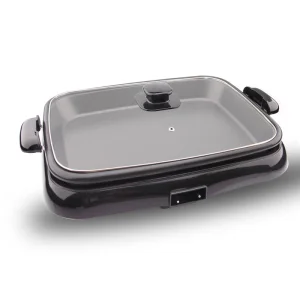
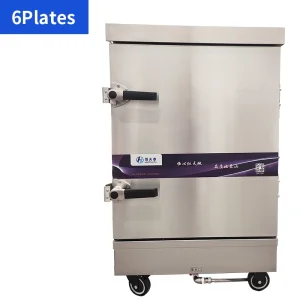
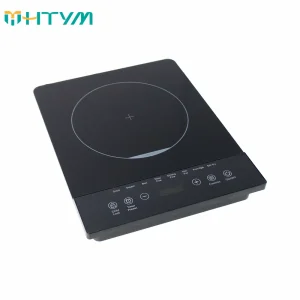
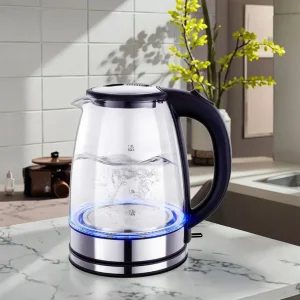
Explore our diverse range of commercial kitchen appliances, functional hospitality furniture, and industrial energy solutions designed for demanding food service environments.
In high-throughput meat processing facilities, food safety, tooling preservation, and cleanability are paramount. Standard cutting surfaces fail rapidly under intense mechanical stress and chemical sanitation. As a premier Chinese manufacturer, we specialize in high-density molecular polymers designed explicitly for butcher shops, cold-chain plants, and commercial kitchens worldwide.
By leveraging advanced compression molding instead of conventional extrusion, our polyethylene solutions exhibit remarkably low internal stress, preventing warping under extreme thermal washing cycles. Our products serve as the critical interface between modern high-tensile steel cutlery and microbiological risk mitigation protocols.
Understanding the molecular variance: Comparing food-grade High-Density Polyethylene (HDPE), Ultra-High-Molecular-Weight Polyethylene (UHMW-PE), and Polypropylene (PP).
| Material Type | Molecular Weight (g/mol) | Shore D Hardness | Max Temp Resistance | Principal Applications | FDA/NSF Compliance |
|---|---|---|---|---|---|
| HMW-HDPE (High Molecular Weight) | ~500,000 to 1 Million | 63 - 68 | 85°C (185°F) | Commercial butcher blocks, prep boards, carving tables | Fully Certified |
| UHMW-PE (Ultra-High) | 3.1 Million to 6 Million | 60 - 64 | 90°C (194°F) | Industrial slaughterhouse conveyor chutes, deboning line plates | Fully Certified |
| Copolymer Polypropylene (PP) | N/A (Branched Polymer) | 70 - 75 | 110°C (230°F) | Autoclavable bakery boards, high-heat food preparation zones | Compliant |
| Wood-Polymer Composites (WPC) | Hybrid Matrix | 78 - 85 | 120°C (248°F) | Heavy cleaver chopping stations, aesthetic display counters | Compliant |
Our boards incorporate a proprietary, micro-textured pebble finish. This engineered texture provides excellent slip-resistance for fatty, wet meats while ensuring knives glide smoothly without catching or losing edge sharpness prematurely.
With a near-zero absorption rate (<0.01%), our cutting surfaces prevent the deep migration of blood, grease, and cleaning chemicals, eliminating pockets where microbial pathogens like Salmonella and Listeria thrive.
Through our long-cycle hydraulic compression molding process, polymer chains align uniformly. This guarantees the cutting surfaces remain flat even when exposed to intensive chemical sanitizing and high-pressure hot water washdowns.
Custom-engineered food prep solutions tailored for high-volume processors, national supermarket chains, and global hospitality operations.
High-capacity slaughterhouses demand extreme durability. We supply massive, custom-machined deboning line plates up to 50mm thickness. Engineered from specialized UHMWPE, these slabs withstand hydraulic blade pressure and continuous mechanical scraping, ensuring uptime in 24/7 poultry, beef, and pork processing plants.
Color-coded food safety management is essential for cross-contamination prevention under international HACCP frameworks. We offer comprehensive color systems (Red for raw red meat, Yellow for poultry, Blue for seafood, Green for produce) in tailored dimensions that integrate into existing display cabinetry and preparation counters.
We partner with commercial kitchen counter manufacturers, providing pre-drilled, chamfered, and custom-routed polymer panels designed to slide directly into stainless steel frames. Our computer-aided CNC routing ensures tolerances within ±0.2mm, facilitating seamless modular assembly.
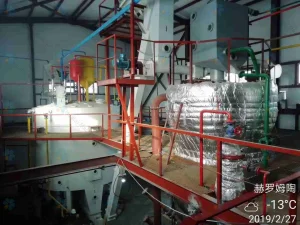
Our state-of-the-art production facility in China is equipped with advanced automated sheet extrusion lines and large-scale hydraulic compression presses. By integrating automated raw material handling and direct polymer blending, we ensure complete control over density and chemical purity.
This deep vertical integration allows us to offset global commodity price volatility while maintaining a highly competitive price structure. Our geographic location near major shipping hubs like Ningbo and Shanghai ports enables streamlined container logistics, reducing transit times and lowering overall landing costs for international B2B buyers.
Every batch of raw resin is inspected using Fourier-Transform Infrared Spectroscopy (FTIR) to ensure zero contamination of non-food-grade fillers. This rigorous quality control underpins our commitment to reliable, high-volume production schedules.
Our automated routing lines produce clean, burr-free edges and smooth juice grooves. Unlike traditional mechanical cutting, our specialized laser-guided saws prevent micro-fracturing along cut edges, preventing bacteria colonization sites.
The next generation of food prep surfaces: Innovating safety, wear diagnostics, and circular economy integration.
Developing next-gen cutting surfaces with inorganic, non-leaching silver-zinc glass carrier particles embedded directly within the polymer matrix. This provides active cell-membrane disruption for pathogens, retaining antimicrobial efficacy throughout the physical lifetime of the board.
Integrating distinct multi-colored safety wear indicator layers. As the cutting board surface wears down from deep gouging over years of intense use, a bright core layer becomes visible, signaling the sanitation team that the board is ready for resurfacing or replacement.
Pioneering 100% post-industrial recycled food-grade UHMWPE programs. We are establishing recovery pipelines with commercial partners to turn worn cutting surfaces back into clean raw polymer compounds suitable for non-food structural applications, minimizing landfill impact.
Ensuring compliance with local regulations and providing robust supply chain logistics for B2B distributors globally.
Our raw materials comply fully with FDA 21 CFR 177.1520 regulations for olefin polymers, as well as European Commission Regulation No 10/2011 concerning plastic materials intended to come into contact with food. This makes our products ready for integration into North American and European supply networks without customs delays.
Our plants are ISO 9001:2015 and HACCP certified. We welcome third-party audits (SGS, Intertek, TÜV) at any stage of the production cycle. Every shipment is backed by clean material traceability certificates detailing physical properties, Shore D hardness, and heavy metal-free test results.
We provide comprehensive FOB, CIF, and DDP shipping terms to meet diverse buyer preferences. For volume distributors, we offer custom carton labeling, barcode pre-printing, and drop-ship configurations to facilitate seamless distribution into regional warehouse networks.
Expert technical insights addressing procurement, maintenance, material characteristics, and sanitation standards.
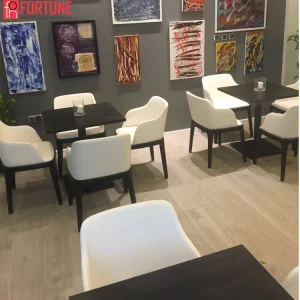
Hygienic dining tables, efficient industrial food steamers, smart induction plates, and heavy-duty processing solutions for comprehensive foodservice integrations.
 Coden Kitchen