High-density engineering designs for modern residential, commercial, and hospitality environments.
Analyzing global micro-living shifts, spatial optimization requirements, and procurement dynamics in the culinary tech sector.
The convergence of global urban consolidation, escalating real estate costs per square meter, and the rapid rise of micro-apartment residential developments has fundamentally shifted consumer and commercial demand toward space-saving culinary tools. Enterprise buyers, procurement directors, and retail brand strategists no longer view compact cookware and multi-functional kitchen appliances merely as niche convenience items. Instead, they represent a mission-critical category driving consumer purchasing decisions across North America, Europe, and the Asia-Pacific region.
Engineered footprint optimization requires sophisticated material science, precise thermodynamic transfer mechanisms, and ergonomic nesting architectures. Contemporary OEM/ODM manufacturing facilities must balance mechanical durability with compact storeability. As single-occupancy households surpass 35% in major urban centers globally, the market demands integrated solutions—ranging from stackable precision induction units and multi-stage pressure cookers to collapsible high-grade silicone food preparation tools and modular dining-kitchen furniture integrations.
How material science and ergonomic engineering are redefining compact kitchen functionality.
Modern compact cookware utilizes multi-layer encapsulated bases (SUS304 food-grade stainless steel combined with high-purity aluminum cores) to ensure ultra-fast heat distribution across reduced surface areas. High-wattage density micro-induction coils allow 3.5kW performance in footprints under 30cm.
Advanced CAD modeling enables nested cookware sets with zero spatial friction. Removable handle systems utilizing dual-stage lock mechanisms withstand over 150N of vertical tension while reducing vertical storage volume by up to 60% compared to traditional fixed-handle paradigms.
The integration of platinum-cured liquid silicone rubber (LSR) with food-contact compliance (FDA & LFGB certified) allows high-temperature collapsible structures (up to 230°C) that maintain structural integrity across thousands of deployment cycles without fatigue degradation.
In-depth enterprise profile breakdown, technical capability matrix, and global OEM/ODM export profiles.
Core Focus: Integrated Multi-Functional Electric Pressure Cookers & Modular Skillets
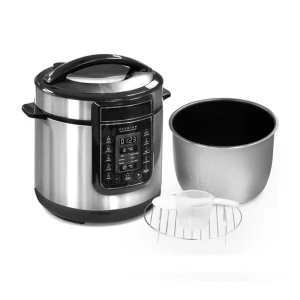
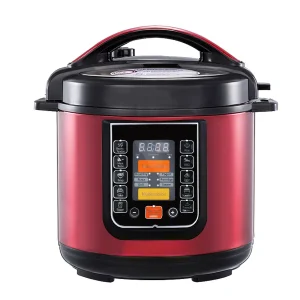
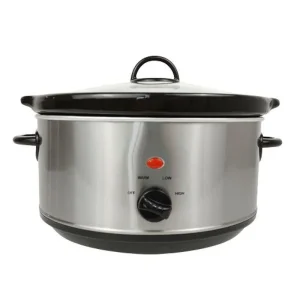
Operating out of a 45,000 m² automated facility in Foshan, China, Guangdong Smart Space-Saving leads the industry in multi-cooker footprint reduction. Their flagship 5L-12L high-pressure electric cookers integrate 8 cooking modes into a single 30cm cylinder unit. Utilizing SMT automated circuit board insertion and robotic shell stamping, they export over 2.5 million units annually to major European and North American retail brands.
Compliance Credentials: CE, GS, UL, ETL, RoHS, ISO9001, BSCI.
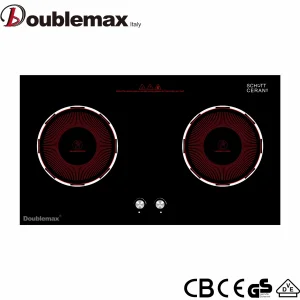
Core Focus: Portable 3.5kW Commercial Induction Cooktops & Ceramic Burners
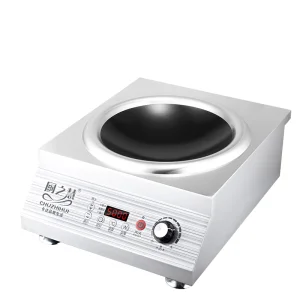
Zhejiang Precision specializes in ultra-thin, high-power induction cooktops tailored for commercial caterers, food trucks, and micro-apartments. By incorporating dual-fan vortex heat dissipation channels, their 3.5kW units maintain a slim height profile of under 65mm. Their proprietary IGBT module tech provides precise temperature feedback loops, minimizing power loss and thermal strain.
Compliance Credentials: FCC, CE, EMC, CB, LFGB, ISO14001.
Core Focus: Removable-Handle Cookware & Collapsible Silicone Toolsets
Engineered around vertical storage efficiency, Ningbo Ergonomic manufactures die-cast aluminum cookware sets equipped with patented detachable locking handles. Their interlocking rim designs permit a 4-piece pot set to collapse into the spatial profile of a single skillet. Combined with platinum silicone strainers, their products yield up to 65% space savings in residential cabinetry.
Compliance Credentials: FDA, LFGB, REACH, NSF Certified.
Core Focus: Compact High-Capacity Commercial Rice & Soybean Processing Plants
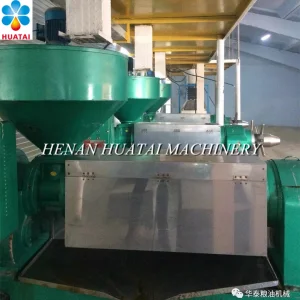
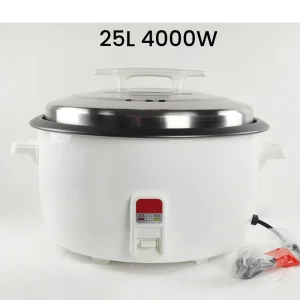
For commercial kitchens and specialized food processing facilities where floor area carries premium overhead costs, Jiangsu Commercial develops concentrated 25L heavy-duty drum cookers and compact oil refining apparatus. Their continuous-cycle processing modules deliver industrial-grade volume within a footprint up to 35% smaller than traditional processing layouts.
Compliance Credentials: ISO9001, CE Machinery Directive, ASME Vessel Compliance.
Core Focus: Windproof Butane & Hybrid Multi-Burner Cooking Ranges
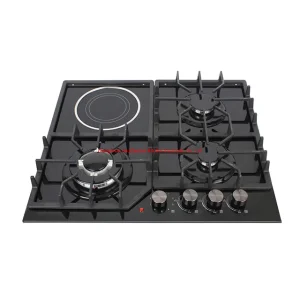
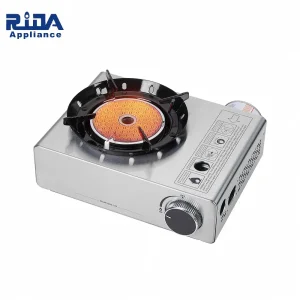
Fujian Portable specializes in dual-fuel (gas/electric) space-optimized cooking units designed for mobile catering, marine galleys, and outdoor recreational spaces. Incorporating micro-cavity burner plates and fold-away trivets, their ranges maximize burner surface area while collapsing down into ultra-compact, impact-resistant carry cases.
Compliance Credentials: CSA, CE Gas Appliances Regulation (GAR), ISO9001.
Core Focus: High-Density Stackable Seating & Convertible Bistro Sets
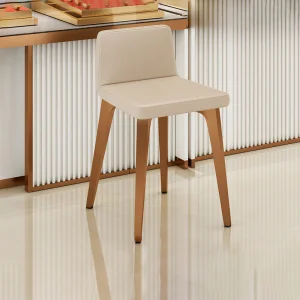
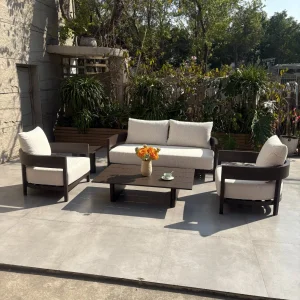
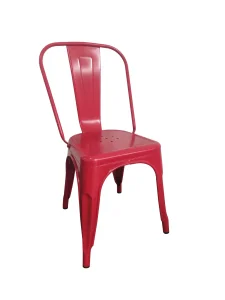
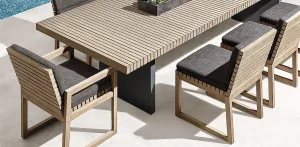
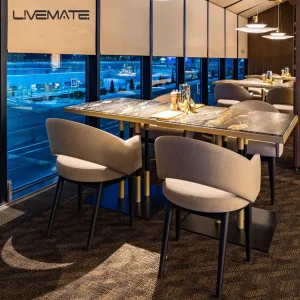
Recognizing that culinary spaces extend beyond cookware to front-of-house operations, Xiamen Modular crafts ultra-compact, stackable industrial dining furniture and retail counter seating. Utilizing lightweight aluminum alloys and weather-resistant teak, their space-saving seating lines enable quick venue reconfiguration and minimal off-hour storage footprint.
Compliance Credentials: BIFMA, EN 581, FSC Certified Wood.
Core Focus: Floor-Standing & Integrated Digital Ordering/Kitchen Display Signage
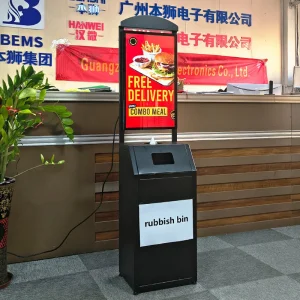
Integrating technology directly into compact dining spaces, Shenzhen Smart Hardware builds ultra-thin floor-standing LCD digital signage units combined with waste-management and kitchen ordering modules. Their dual-purpose designs maximize revenue per square foot in commercial fast-food and cafe layouts.
Compliance Credentials: FCC, CE, HDMI Licensing, RoHS.
Core Focus: Modular Stainless Steel Prep Stations & Wall-Mounted Shelving
Shandong Heavy manufactures professional-grade, modular workbenches and vertical wall-hanging storage systems designed for high-density restaurant kitchens. Their interlocking track designs allow chefs to adjust prep space dynamically, converting unused vertical space into operational storage.
Compliance Credentials: NSF/ANSI 2, ISO9001.
Core Focus: 1.8L Personal Skillets, Multi-Cookers & Single-Serve Appliances
Zhongshan Micro-Appliance focuses on Gen-Z, solo-living, and dormitory culinary tech. Their 1.8L personal electric hot pots and noodle cookers integrate ceramic non-stick liners, dual heat modes, and detachable power cords into a package smaller than a standard electric kettle.
Compliance Credentials: CCC, CE, CB, PSE, KC.
Core Focus: Overmolded Kitchen Accessories & Collapsible Food Container Systems
Utilizing high-precision injection molding, Shanghai Eco-Silicone produces collapsible strainers, foldable measuring cups, and expandable airtight storage solutions. Their proprietary polymer blend ensures zero odor retention and resistance to degradation from high-acid ingredients.
Compliance Credentials: EU No 10/2011, FDA 21 CFR, DGCCRF.
How automated precision manufacturing delivers uncompromised cost efficiency and quality control.
Modern Chinese culinary appliance factories utilize multi-axis robotic arms for metal sheet stamping and seam laser welding. This ensures sub-millimeter tolerances across cookware rims, enabling flawless nesting features and long-term mechanical seal integrity for pressure cookers.
From initial CAD rendering and 3D rapid prototyping to full mold manufacturing, China’s industrial clusters in Guangdong and Zhejiang provide complete supply chain integration. Rapid tooling turnaround times (as fast as 21 days from blueprint approval) dramatically shorten product launch cycles for international brands.
Leading facilities deploy Manufacturing Execution Systems (MES) to monitor Overall Equipment Effectiveness (OEE) in real time. Every production batch undergoes automated visual AI inspection, hydrostatic pressure testing, and high-voltage dielectric breakdown testing prior to packaging.
In response to international environmental regulations, top-tier suppliers have migrated to third-generation PFOA-free and GenX-free ceramic non-stick coatings. Automated spray-booths with high-temperature curing ovens guarantee consistent coating thickness and superior abrasion resistance.
Comparative analysis for commercial buyers, distributors, and private-label brand managers.
| Product Category | Key Space-Saving Metric | Standard Material Specs | Typical MOQ | Lead Time (Days) | Target Target Certifications |
|---|---|---|---|---|---|
| Multi-Electric Pressure Cookers | Replaces 5 separate appliances; 40% vertical footprint saving | SUS304 Body, Ceramic/Teflon Liner, PCB Control | 1,000 Pcs | 30 – 45 | CE, UL, GS, CB, RoHS |
| Personal Electric Skillets | Compact 1.8L capacity; Detachable cord for easy storage | PP Shell, Food-grade Aluminum non-stick pot | 2,000 Pcs | 25 – 35 | CE, CCC, KC, PSE |
| Commercial Induction Units | Ultra-slim 65mm profile; High thermal efficiency (3.5kW) | Black Crystal Glass Plate, Stainless Steel Chassis | 500 Pcs | 20 – 30 | CE, FCC, EMC, NSF |
| Nestable Cookware Sets | Detachable handles; Saves up to 60% cabinet volume | Forged/Die-cast Aluminum, Bakelite/Silicone Handle | 1,500 Sets | 35 – 50 | FDA, LFGB, REACH |
| Collapsible Kitchenware | Folds down to < 30% original height | Platinum-cured LSR Silicone, BPA-Free PP | 3,000 Pcs | 15 – 25 | FDA, EU No 10/2011, DGCCRF |
| Stackable Bistro & Cafe Seating | Stack up to 10 units vertically | Powder-coated Aluminum, Grade A Teak Wood | 200 Pcs | 30 – 40 | BIFMA, EN 581 |
Next-generation innovations poised to redefine space-saving culinary tools over the next decade.
Future compact appliances will incorporate phase-change solid-state thermal storage materials, enabling cordless high-heat cooking in ultra-compact form factors without bulky traditional battery packs.
Integrated micro-spectrometers and pressure sensors embedded directly into pot walls will continuously communicate with smart home hubs, allowing micro-appliances to automatically adjust power output and reduce energy usage by up to 25%.
Nanotechnology-driven fluoropolymer alternatives featuring self-healing covalent bond networks will dramatically extend the lifespan of space-saving nested pots, preventing scratch damage caused by frequent nesting.
Navigating international trade standards, safety certifications, and supply chain compliance.
Exporting electrical culinary appliances into key markets requires rigorous compliance testing. North American markets demand UL 1026 / ETL certification, while the European Union requires CE-LVD and CE-EMC compliance. Quality manufacturers conduct in-house thermal stress tests, dielectric strength testing, and surge immunity evaluations before submitting to third-party labs like TÜV Rheinland or Intertek.
Space-saving tools incorporating silicone, plastic, or coated metal surfaces must meet strict chemical migration limits. Silicone components undergo heavy metal and volatile organic compound (VOC) tests under the German LFGB Section 30 & 31 standard (widely considered the world's strictest standard), while cookware coatings must certify complete freedom from PFOA, PFOS, Lead, and Cadmium.
Expert answers to common engineering, procurement, and logistics inquiries.
Space-saving cookware utilizes high-density encapsulated multi-ply bases (such as 3-ply or 5-ply stainless steel with encapsulated aluminum discs). Despite having smaller lateral footprints or detachable handles, these structures offer rapid and uniform lateral heat diffusion, eliminating cold spots and achieving equal thermal performance to bulkier, traditional cookware.
Yes. Professional-grade removable handles utilize multi-point stainless steel latching systems and high-durability internal springs tested for over 10,000 engagement cycles. They are rated to support vertical loads up to 15-20 kg (far exceeding normal food weights) and feature dual-stage secondary release buttons to prevent accidental detachment.
For complete OEM multi-cooker or induction stove projects, industrial design and 3D sampling typically take 14 to 21 days. Steel injection or die-cast mold creation requires 30 to 45 days. Pre-production sample validation takes an additional 10 days, followed by mass production cycles of 30 days upon sample sign-off.
Top manufacturers source 100% virgin platinum-cured silicone resin from accredited chemical suppliers. Every raw material batch undergoes post-curing baking processes (at 200°C for 4 hours) to eliminate volatile organic compounds, followed by certified LFGB and FDA migration testing for liquid, acid, and alcohol contact media.
Yes. Leading OEM manufacturers offer wide-voltage switch-mode power supplies (SMPS) or distinct regional configurations: 110V-120V 60Hz for North American markets, and 220V-240V 50Hz for Europe, Asia, and Oceania. Custom plug types (NEMA, Schuko, BS1363, AU plug) are factory-installed during production.
Explore specialized cooking stoves, pressure cookers, and commercial furniture solutions.
 Coden Kitchen