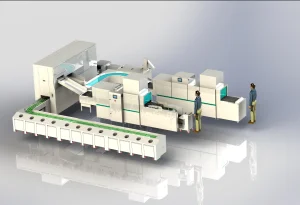
As the Kingdom of Cambodia continues its rapid economic trajectory, specifically within the tourism hubs of Siem Reap and the industrial zones of Sihanoukville and Phnom Penh, the demand for Commercial Kitchen Automation Systems has reached an all-time high. The shift from traditional labor-intensive culinary operations to AI-driven kitchen ecosystems is no longer a luxury but a strategic necessity for maintaining global food safety standards and operational profitability.
Our systems utilize German-designed sensors and Japanese PLC controls, assembled with cost-efficient Chinese manufacturing prowess to offer the best ROI in the ASEAN region.
We offer direct shipping corridors to Sihanoukville Port and Phnom Penh, ensuring reduced lead times and lower transit costs compared to European exporters.
All software interfaces can be customized with multilingual support, including Khmer, to empower local operators with minimal training.
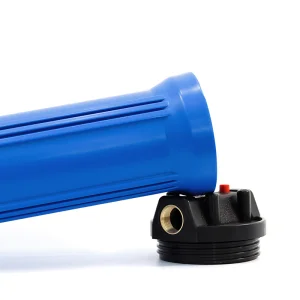
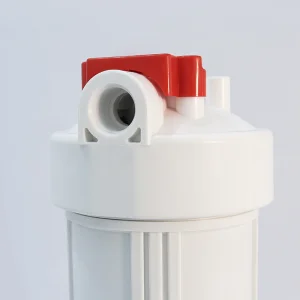
Our reach extends beyond individual machines; we provide End-to-End Kitchen Ecosystems. For global hospitality groups operating in Cambodia, we offer integrated solutions that encompass water purification, waste management, and high-capacity baking lines.
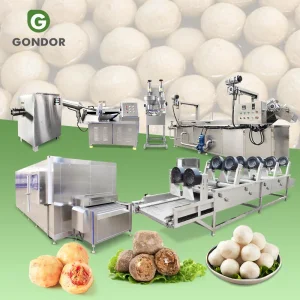
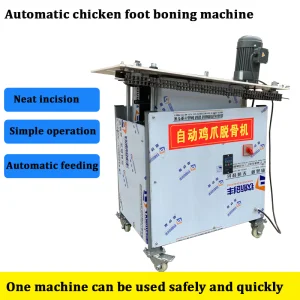
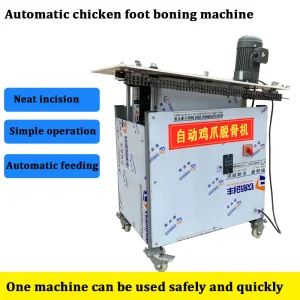
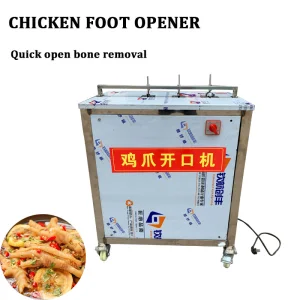
Designed for large-scale catering services providing meals to Cambodia's Special Economic Zones (SEZs). Our automated meatball making machines and chicken deboning systems process tons of protein daily with surgical precision.
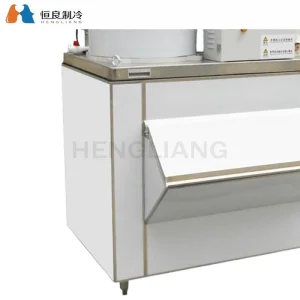
For the thriving seafood export market in Kep and Sihanoukville, our seawater ice block makers provide the necessary thermal regulation to maintain the cold chain from sea to table.
Our tunnel ovens and conveyor systems allow Cambodian bakeries to scale production for local retail chains while maintaining the delicate texture of traditional French-influenced breads.
As a leading exporter, we understand that "one size fits all" does not apply to kitchen automation. Our engineering team conducts deep User Intent Mining to ensure every piece of equipment serves a specific operational goal.
In tourist-heavy Siem Reap, hotels require silent, high-output water purification and smart ovens that can handle diverse international menus while minimizing electricity usage during peak grid demands.
Export-oriented meat processing factories in Cambodia’s SEZs utilize our automated sorting and deboning systems to meet the stringent quality audits required by Japanese and European importers.
A: We have a dedicated regional service team and local partners in Phnom Penh. Essential spare parts are stocked locally, and our machines feature IoT diagnostics for remote troubleshooting by our China-based engineers.
A: Yes, all our industrial equipment can be fitted with integrated voltage stabilizers and surge protection to ensure longevity under local electrical conditions.
A: Absolutely. Our R&D team specializes in adapting forming and sorting technology for local ingredients, ensuring authentic texture and taste while benefiting from industrial speed.
A: Depending on the scale, most clients see a full return on investment within 14 to 24 months through reduced labor costs, minimized food waste, and significantly lower energy bills.
 Coden Kitchen