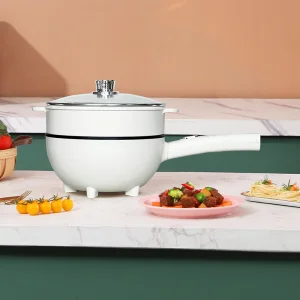
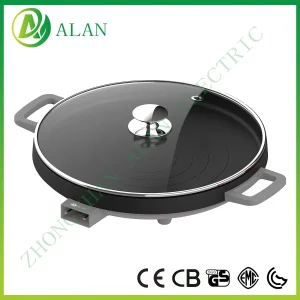
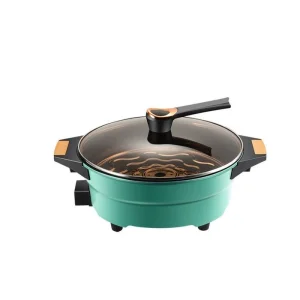
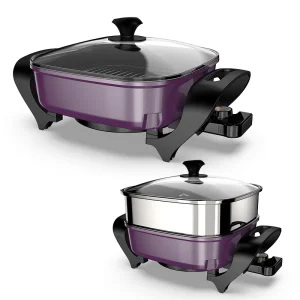
Specially curated, high-efficiency appliances optimized for Tanzanian household voltage standards and diverse cooking traditions.
Tanzania's culinary landscape is undergoing a historic transformation. Driven by rapid urbanization in major metropolitan hubs like Dar es Salaam, Mwanza, and Arusha, combined with the Tanzanian government's active promotion of clean cooking initiatives, households and commercial food vendors are steadily transitioning away from traditional biomass fuels (charcoal and firewood) and expensive LPG (Liquefied Petroleum Gas). The shift toward electrical cooking (e-cooking) is not merely a trend; it is a structural economic evolution.
As an experienced electric frying pan exporter, we have closely monitored how the rising costs of charcoal and the environmental impact of deforestation have accelerated the adoption of energy-efficient electric kitchenware. Modern Tanzanian consumers seek appliances that offer rapid heating, reliable thermal insulation, and versatile cooking options. Our range of electric frying pans is specifically engineered to meet these demands, providing local families and catering businesses with a cleaner, safer, and highly cost-effective alternative that drastically reduces indoor air pollution and operational cooking expenses.
Importing electrical appliances into East Africa requires deep technical understanding of local infrastructure. The Tanzanian power grid, managed by TANESCO (Tanzania Electric Supply Company Limited), operates at a nominal voltage of 220V to 240V at a frequency of 50Hz. However, voltage fluctuations and localized power surges remain common challenges in both urban and peri-urban areas. Standard, low-grade heating elements imported from uncertified manufacturers frequently fail under these conditions, leading to high return rates and damaged brand reputations for local distributors.
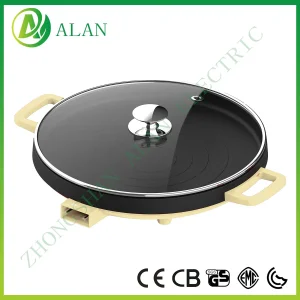
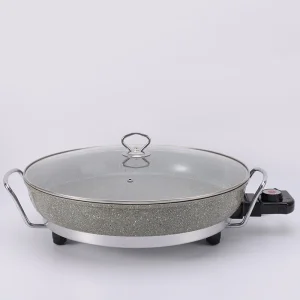
To address this critical pain point, our factory integrates advanced surge-protection circuitry and heavy-duty, double-loop heating elements into every electric frying pan exported to the Tanzania market. These elements are designed to withstand voltage spikes and distribute heat evenly across the cooking surface, preventing localized hotspots that can burn food or damage the non-stick coating. Furthermore, with the expansion of the hospitality and tourism sectors in Zanzibar and the Serengeti, there is an unprecedented demand for durable, commercial-grade electric skillets that can operate continuously in safari lodges, beach resorts, and busy urban restaurants.
In the highly competitive global consumer electronics and home appliance market, B2B buyers, wholesalers, and brand owners are shifting their procurement strategies. Rather than importing single-purpose appliances, there is a clear preference for multi-functional kitchenware. This trend is driven by two main factors: shipping container space optimization and consumer demand for space-saving appliances.
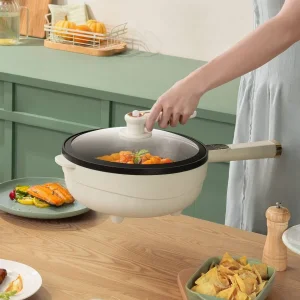
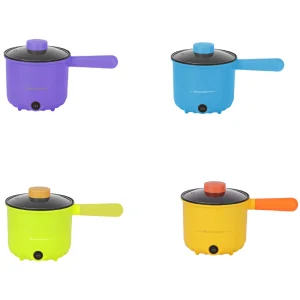
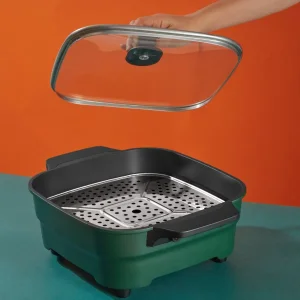
A single multi-functional electric frying pan that can fry, steam, boil, bake, and grill allows importers to target multiple consumer segments with a single SKU. This drastically reduces inventory holding costs and maximizes retail shelf-space efficiency. For the Tanzanian market, where kitchen space in urban apartments can be limited, a 3-in-1 or 5-in-1 electric cooker represents an incredibly high-value proposition for the end consumer. Our product line reflects this global shift, offering integrated steamers, dual-zone heating, and split-pot designs that cater to modern, versatile cooking requirements.
Leveraging advanced automation, rigorous quality control, and strategic logistics to deliver unmatched value to Tanzanian importers.
Our Factory 4.0 infrastructure utilizes fully automated aluminum die-casting machinery. This ensures uniform wall thickness across all electric frying pans, resulting in optimal thermal conductivity, structural integrity, and resistance to warping under high temperatures.
We employ multi-layer, water-based non-stick coating systems that are 100% free from PFOA, lead, and cadmium. Applied in cleanroom environments using robotic sprayers, our coatings offer superior abrasion resistance and effortless food release.
Every batch of electric frying pans undergoes rigorous testing, including high-voltage insulation tests, thermal shock resistance tests, and lifetime cycle evaluations. We ensure full compliance with the Tanzania Bureau of Standards (TBS) and international CE/CB certifications.
Our manufacturing facility is strategically located near major deep-water ports in China, enabling seamless container loading and streamlined customs documentation. We maintain long-term partnerships with leading global shipping lines to secure stable freight rates and reliable shipping schedules to the Port of Dar es Salaam. By integrating advanced ERP systems, we optimize our raw material supply chain, mitigating the impact of global commodity price fluctuations and passing those cost savings directly to our Tanzanian partners. When you partner with us, you are securing a resilient, transparent, and highly efficient supply chain that guarantees consistent product quality and on-time delivery.
To succeed in the Tanzanian market, an electric frying pan must do more than just heat up; it must adapt to the unique culinary habits of the local population. Traditional East African dishes require specific cooking techniques that place high demands on kitchen appliances. Our product development team has carefully analyzed these local requirements to optimize our designs:
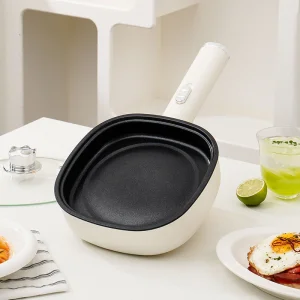
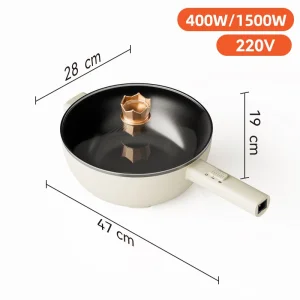
From compact personal cookers to extra-deep commercial skillets, discover the perfect models for your distribution network.
Get authoritative answers to the most common questions regarding certification, voltage customization, shipping, and OEM services.
 Coden Kitchen