Advanced engineering platforms optimized for high efficiency, regulatory compliance, and minimal thermal loss.
Naples, located in Italy's Campania region, is globally renowned for its culinary legacy and thrives as a dynamic hub for commercial food manufacturing and processing. However, local operators face mounting economic pressures due to volatile electricity rates in the Italian wholesale market (GME) and strict environmental mandates under the European Green Deal. For regional businesses, implementing high-efficiency, energy-saving cooking equipment is no longer just an environmental goal; it is a critical strategy for maintaining operational viability.
To remain competitive, Naples' hotels, restaurants, industrial catering services, and large-scale food processors are rapidly phasing out traditional gas combustion equipment. They are transitioning to electric induction technologies, thermal-efficient vacuum systems, and automated control processes. By focusing on thermal recovery and heat retention, these modern systems minimize waste, reduce regional carbon footprints, and dramatically cut operational overhead.
Across the globe, industrial cooking and refining sectors are undergoing a massive transition toward decarbonization. As international energy pricing structures change, the efficiency of food preparation, extraction, and processing machinery is key to maintaining healthy margins. From a macroeconomic perspective, Europe's stringent Ecodesign Directive (2009/125/EC) sets challenging thresholds for commercial and industrial energy usage, directly impacting manufacturers and suppliers who distribute within the Naples region.
At the microeconomic level, businesses in Naples—such as traditional pizzerias, medium-sized olive oil refineries, and tomato canning facilities—confront high regional distribution charges for utility delivery. This reality has driven manufacturers to engineer modular, multi-zone heating structures that limit idle-state power draw. Implementing intelligent power-management technologies prevents peak-demand spikes, allowing operators to run multiple high-output cooking systems simultaneously without exceeding building electrical capacities.
PLC-controlled heat cycles adapt output in real-time to load profiles, eliminating wasted thermal energy during idle periods.
High-density ceramic and vacuum fiber insulation layers minimize jacket loss, keeping working environments comfortable.
Integrated microcontrollers track sensor data to anticipate maintenance needs and prevent unscheduled downtime.
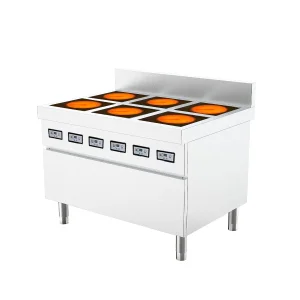
In modern industrial design, thermal dynamics guide all research and development. Standard gas-fired equipment transfers only 35% to 45% of generated heat directly to the cooking surface or vessel, with the rest lost to the surrounding environment. In contrast, advanced induction technology achieves over 90% transfer efficiency by creating a magnetic field that heats the vessel itself, minimizing convective and radiative losses.
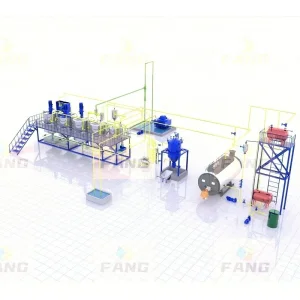
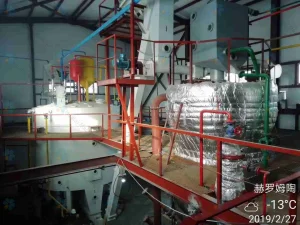
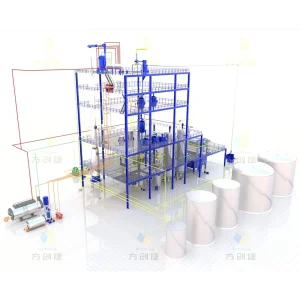
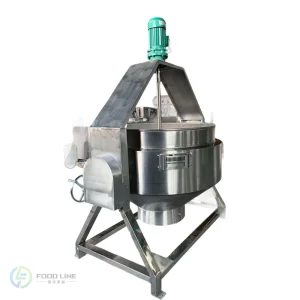
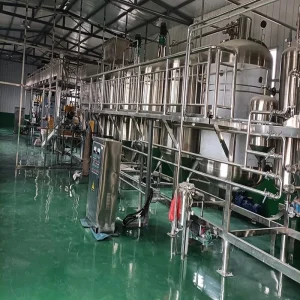
For high-viscosity applications, such as dextrose crystallization or industrial sauce preparation, vacuum-jacketed kettles utilize reduced pressure to lower boiling points. This process preserves the sensory quality of the food while reducing the necessary temperature differential and total BTUs required. Additionally, incorporating secondary heat economizers within oil deodorization columns allows outgoing hot refined oil to preheat incoming crude oil. This step reduces steam demand and cooling-water loads, cutting utility consumption in half.
| Equipment Type | Legacy Efficiency (%) | Energy-Saving Platform (%) | Key Thermodynamic Advancement |
|---|---|---|---|
| Edible Oil Deodorizer | 55% | 88% | Multi-stage recuperative heat exchangers and vacuum optimization |
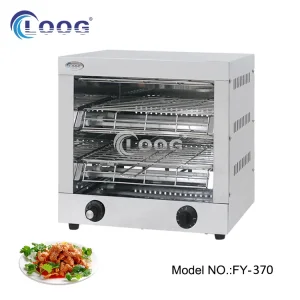
| Commercial Baking Ovens | 40% | 78% | Triple-glazed heat reflective panels and variable convection currents |
| Dextrose Vacuum Pans | 60% | 89% | Sub-atmospheric boiling point lowering and condensate recovery |
| Induction Cookers | 42% (Gas) | 90%+ | Direct electromagnetic eddy-current induction heating |
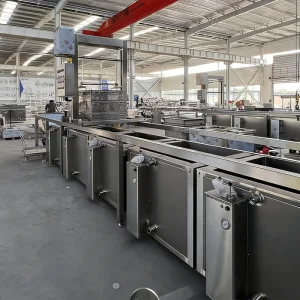
Specialized heavy-duty systems designed for industrial food processing plants and commercial catering hubs.
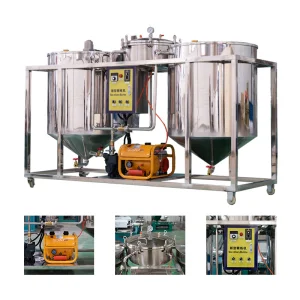
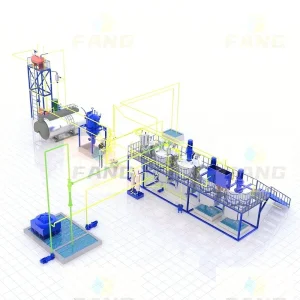
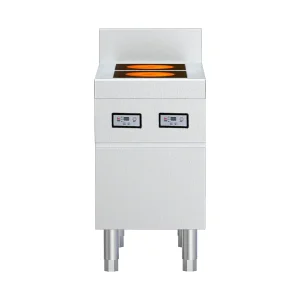
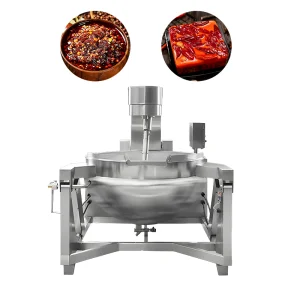
In Naples, food is both a cultural pillar and a vital economic driver. The transition to energy-saving cooking systems covers two main sectors: artisanal catering and agro-industrial processing.
Artisanal Catering & High-Temp Pizzerias: Maintaining a consistent baking temperature of 450°C to 480°C is critical for producing authentic Neapolitan pizza. Traditional wood-burning stoves face stricter air-quality controls in urban Naples, driving demand for modern electric pizza ovens. These advanced ovens feature intelligent stone-heating algorithms, multi-zoned heating element clusters, and high-density insulation. They deliver the performance of a classic wood fire while cutting energy consumption and completely eliminating local emissions.
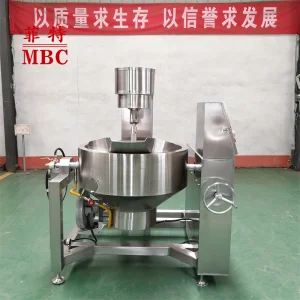
Agro-Industrial Preservation: Campania's agricultural sector relies on processing regional crops like San Marzano tomatoes, peppers, and olives. Industrial sauce lines, boiling pans, and vacuum cookers must handle continuous operations with minimal downtime. Upgrading to high-efficiency filling lines and steam jacketed agitators helps regional processors protect the flavor profiles of delicate ingredients while maintaining high safety and efficiency standards.
Navigating EU regulations requires choosing equipment certified for commercial and industrial settings. Equipment must carry the CE mark, showing compliance with European safety, health, and environmental rules. Machinery used in oil refining and grain processing must also meet ATEX directives, which regulate safety in potentially explosive atmospheres containing dust or flammable vapors.
In Italy, the "Transizione 4.0" initiative offers significant tax credits to businesses that modernize their production facilities. By adopting equipment with PLC control, IoT integration, and automated monitoring, companies in the Naples area can qualify for substantial tax offsets. Investing in certified energy-saving technologies helps businesses lower operational emissions, meet European sustainability standards, and shorten payback times through local tax incentives.
The next phase of innovation in energy-saving cooking equipment will focus on connecting intelligence with physical thermodynamics. Future commercial kitchens and industrial refineries will use cloud-connected energy hubs that balance power across different equipment lines. Real-time diagnostic sensors will predict component wear, helping operators schedule maintenance before efficiency drops or failures occur.
Additionally, closed-loop thermal designs will play a critical role in sustainability. Modern facilities will capture wastewater heat, flue gas warmth, and steam energy, repurposing them to preheat washing water or support building space heating. By combining heat pumps with induction systems, plants can convert waste heat back into process heat, bringing operations closer to a fully circular energy model.
Get answers to common operational questions regarding high-efficiency thermal machinery.
Explore our full range of certified high-efficiency cooking, heating, and refining equipment.
Contact our applications engineering division for custom integration layouts, compliance assessments, energy-saving calculations, and site deployment support.
Send Inquiry Now Coden Kitchen