Heavy-duty systems built to meet GMP and sanitary design rules, ensuring safe food processing for manufacturing sites in Togo.
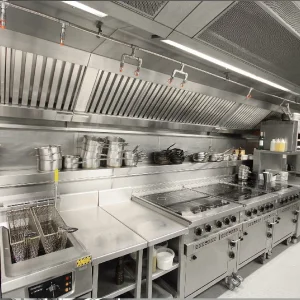
Sanitary stainless steel preparation tables, cutting, and sorting lines engineered for high-throughput commercial applications.
View Specifications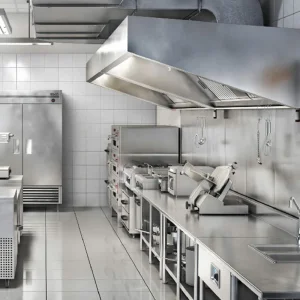
High-yield sizing, pureeing, and preprocessing assemblies tailored for large-scale agricultural outputs in West Africa.
View Specifications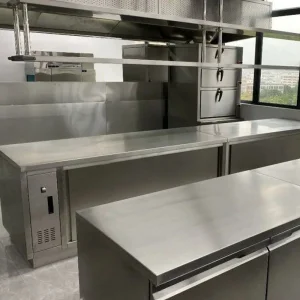
Engineered with heavy-gauge SUS304 steel to withstand continuous 24/7 processing environments in regional agricultural hubs.
View Specifications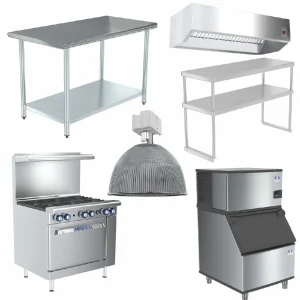
Multi-stage cleaning, peeling, and cutting configurations optimized for fruits, vegetables, and tubers like cassava.
View SpecificationsTogo is experiencing a significant industrial shift, notably driven by developments in the Plateforme Industrielle d’Adétikopé (PIA) and similar export processing zones. The transition from exporting raw agricultural commodities (such as cassava, shea nuts, cocoa, and cotton seed oil) to local value-added processing requires modern industrial food preparation machinery. Operating in West Africa brings unique challenges: high ambient temperatures, variable relative humidity, and the need for equipment that maintains hygiene standard rules despite fluctuating local infrastructure.
Our solutions provide local food processing plants in Lomé, Kara, and Kpalimé with heavy-duty, sanitary processing lines. By using SUS304/SUS316L stainless steel components, advanced PLC automation, and energy-efficient double-effect evaporators, we support West African manufacturers in meeting international FDA, CE, and HACCP standards. This helps local processors reduce product loss and access profitable export markets.
Specialized systems engineered for industrial kitchens, hospitality operations, and food service logistics across West Africa.
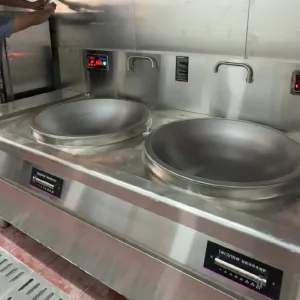
Complete culinary workflow systems designed for major resort developments and hospitality enterprises in Lomé.
View Specifications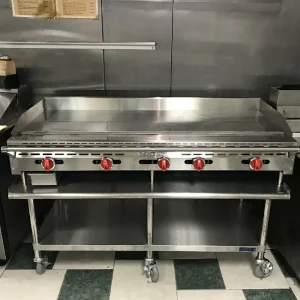
Optimized for commercial kitchens, featuring modular preparation tables and high-capacity cleaning systems.
View Specifications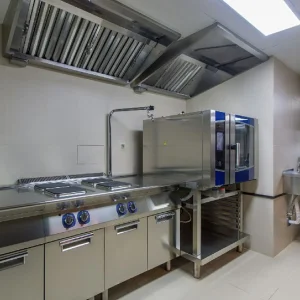
Hygienic processing stations constructed with easy-clean surfaces to eliminate microbial growth in warm environments.
View Specifications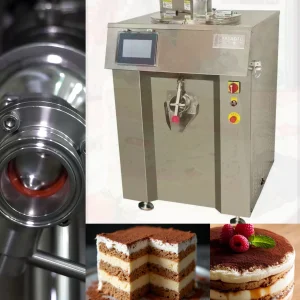
High-shear jacketed mixing systems designed for confectionery paste prep, featuring precise temperature controls.
View SpecificationsHow we design machinery to handle diverse product viscosities, maintain sanitary operation, and support automatic CIP cleaning.
Every vessel, agitator, and valve features crevice-free welding, internal surface finishes polished to Ra < 0.4μm, and full support for CIP (Clean-in-Place) systems. This prevents bacterial growth and contamination in dairy, beverage, and sauce processing.
Our systems feature automated PLC control nodes (Siemens/Allen-Bradley) with built-in safety interlocks, precise temperature profiling, and data logging. This design helps reduce operational errors and ensures consistent product quality batch after batch.
Whether handling high-viscosity liquids or multi-phase dosing, our agitator systems, double-effect vacuum concentrators, and jacketed steam reactors optimize heat transfer rates. This helps reduce batch processing times and lowers energy consumption.
Our long-term technical roadmap for helping food factories in Togo transition to automated, eco-efficient production models.
Deploying automated chemical and raw ingredient dosing setups (e.g., PAC/PAM wastewater treatment, dosing tanks) to minimize waste and ensure consistent baseline preparation.
Transitioning open preparation tables to closed, jacketed reactor vessels with integrated CIP (Clean-In-Place) systems to protect product purity and extend shelf life.
Integrating steam-heated double-effect evaporators and vacuum concentration units. This design handles heat-sensitive products (like fruit pulps) without burning or loss of nutritional value.
Implementing central SCADA systems, remote telemetry monitoring, and smart sensors for predictive maintenance, minimizing unplanned downtime in remote agricultural processing centers.
Examine our full lineup of process vessel systems, vacuum concentrators, and treatment machinery built for industrial projects.
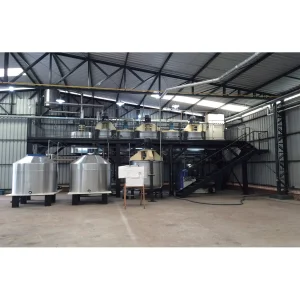
Industrial high-shear mixing system designed for consistent dispersion of chemical coating formulas.
View Specifications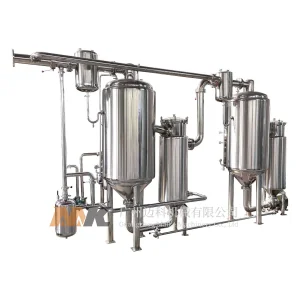
Energy-efficient concentration design for heat-sensitive liquids, including juices, plant extracts, and syrups.
View Specifications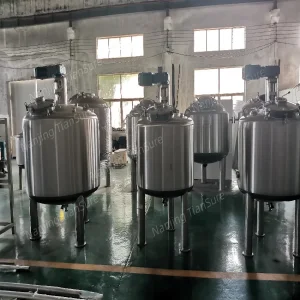
Modular, pre-piped system built for sanitary liquid dosing, mixing, and storage in pharmaceutical or beverage plants.
View Specifications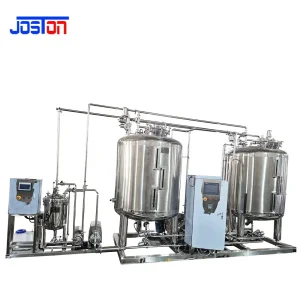
Automated solution prep system featuring integrated PLC control, designed for pharmaceutical and food environments.
View Specifications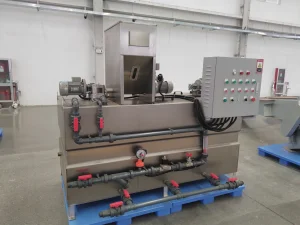
Essential wastewater treatment unit designed to treat factory discharge and manage eco-compliance.
View Specifications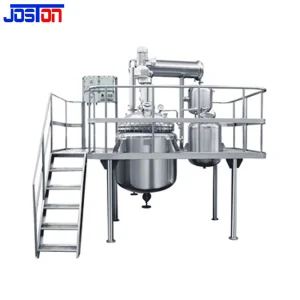
Heavy-wall pressure vessel designed for polymer synthesis and high-temperature blending applications.
View Specifications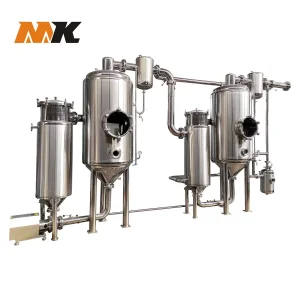
Designed to recover waste steam heat, lowering utility costs for industrial concentration processes.
View Specifications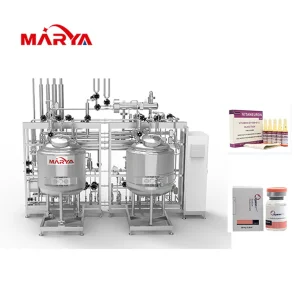
High-grade pharmaceutical mixing unit with automated Clean-In-Place/Sterilize-In-Place loops.
View SpecificationsFor international buyers and local agro-enterprises operating in Togo, equipment reliability depends on strict compliance with engineering and safety codes. We design and build our industrial food preparation equipment in compliance with global standards, including ASME Section VIII for pressure vessels, GMP for sanitary layout, CE directives, and FDA compliance for food-contact surfaces.
To support sustainable operations in West Africa, we work with regional engineering partners to provide on-site installation, commissioning, and system integration. We maintain a reliable supply of wear parts, including mechanical seals, gaskets, and chemical-dosing valves, helping minimize downtime. Whether you are setting up a fruit pulp concentration line, a starch mixing system, or a pharmaceutical syrup preparation plant, our engineering team provides full design verification, including FAT (Factory Acceptance Testing) and SAT (Site Acceptance Testing) protocols.
Technical guidance on selecting, implementing, and maintaining high-capacity food preparation machinery in West Africa.
 Coden Kitchen