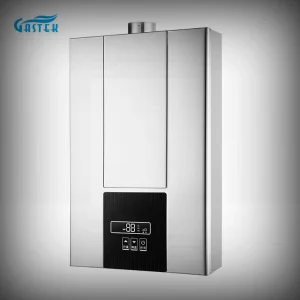
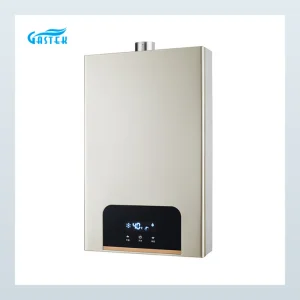
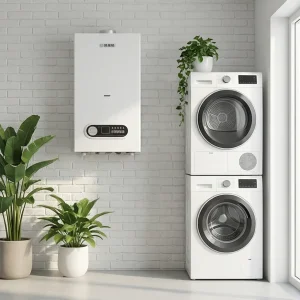
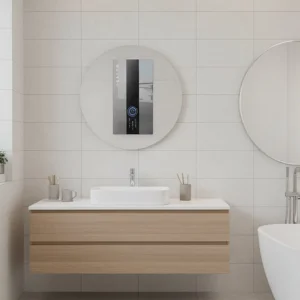
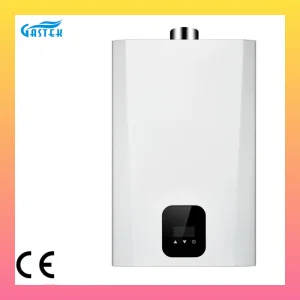
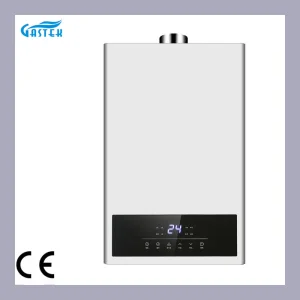
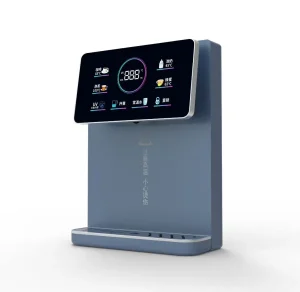
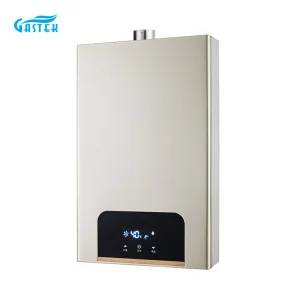
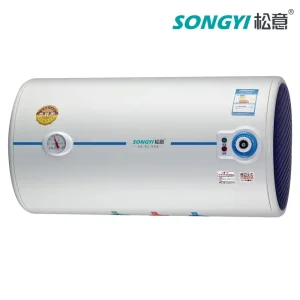
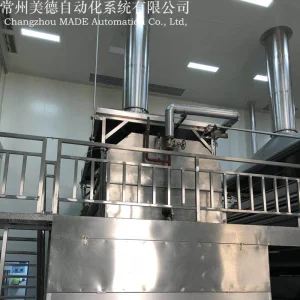
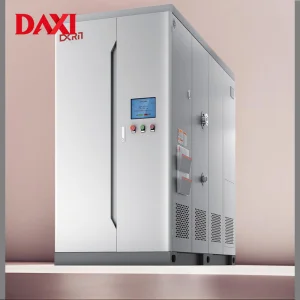
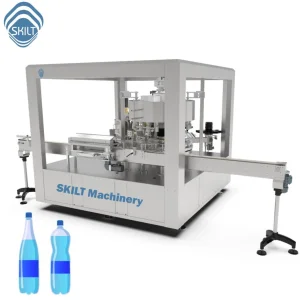
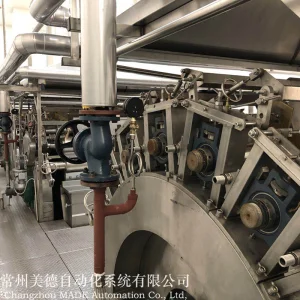
Premium high-efficiency hardware configured for volcanic water mineralizations, variable gas pressures, and coastal high-humidity safety profiles.
Equatorial Guinea, comprising the insular volcanic region of Bioko Island and the continental territory of Río Muni, presents unique, challenging dynamics for fluid heating and thermodynamic engineering. The nation’s rapid urban expansion in Malabo and Bata has created a distinct divergence in energy usage. While the national grid (managed by SEGESA) is undergoing massive modernization, power distribution remains subject to voltage fluctuations and localized load shedding. Simultaneously, Equatorial Guinea boasts substantial domestic natural gas (LNG and LPG) resources derived from the Alba and Alen fields and processed at the Punta Europa terminal. This abundant, cost-effective gas supply makes gas-fired water heating technologies an exceptionally logical, energy-efficient alternative to purely electric thermal systems.
Furthermore, the local water chemistry in Equatorial Guinea presents structural challenges to equipment longevity. Coastal zones in Bata and the volcanic soil profiles of Bioko Island impact municipal water supplies, resulting in highly variable dissolved solids, dissolved oxygen levels, and relative mineral hardness. Standard domestic and industrial water heaters suffer accelerated scaling and electrochemical galvanic corrosion when exposed to these water profiles under elevated temperatures. As a leading exporter and manufacturer of specialized thermal systems, we engineer our instant hot water geysers with advanced copper and titanium alloys and multi-stage sacrificial anode protection systems specifically designed to operate reliably under these Central African water and environmental constraints.
Oxygen-free copper heat exchangers coated with anti-corrosion lacquer to combat coastal marine salinity and humidity exceeding 85%.
Advanced hydraulic water-gas linkage valves starting reliably at low water pressures (down to 0.015 MPa), suitable for gravity-fed tanks.
Microchip-driven CPU monitors hot water delivery, automatically throttling burner flame heights to maintain ±1°C accuracy.
The requirement for reliable, instant thermal solutions spans multiple critical industries within Equatorial Guinea. In the residential sector, both modern high-density apartments in Malabo II and independent single-family homes require water heating systems that minimize stand-by heat losses. Traditional storage water heaters constantly radiate heat into high-temperature ambient air, causing elevated electrical bills and thermal discomfort. Tankless, instant-on gas systems consume energy *only* during active water flow, drastically reducing baseline utility costs.
In the commercial hospitality sector, particularly the luxury resorts along the Bioko coastline and Bata’s coastal avenues, the expectation for continuous, high-volume hot water is absolute. Hotel guests demand immediate thermal output without pressure drops. This requires modular, manifolded tankless installations operating in parallel to dynamically scale capacity according to occupancy spikes. Furthermore, industrial settings such as oil and gas service base camps, commercial laundry facilities, and food processing plants in the Malabo Free Zone require high-temperature sanitary water (above 65°C) to satisfy hygiene codes. Standard domestic heaters cannot sustain these flow rates; our industrial-grade instant heaters are designed precisely to meet these rigorous operating specifications.
The global water heating paradigm is shifting rapidly toward carbon footprint reduction, high operational safety, and smart integration. The historical dependence on massive, energy-inefficient storage tanks is ending. Modern technical roadmaps prioritize smart gas-air proportional mixing technology. By utilizing microprocessors connected to variable-speed DC blowers and modulating gas valves, current geysers ensure a precise combustion ratio. This reduces carbon monoxide and nitrogen oxide emissions while maximizing energy yield from local LPG or LNG sources.
For electric systems, the emphasis is on safety isolation. The integration of "dry-combustion" prevention systems, earth leakage circuit breakers (ELCB), and physical electricity-insulating barriers ensures that even in the event of an electrical fault or insulation breakdown, voltage cannot propagate through the water stream to the user. Our R&D department continuously refines these elements, keeping our systems at the cutting edge of global safety and efficiency standards.
Our manufacturing hub in China represents the zenith of vertical integration and supply chain resilience. Operating advanced robotic copper-welding stations, computerized pressure testing, and automated assembly bays, we guarantee structural consistency across every batch of instant hot water solutions. Unlike regional assemblers, we manufacture our own core components—from oxygen-free copper heat exchangers to the precise solenoid valves that regulate fuel delivery. This complete control over the production ecosystem ensures that component quality matches rigorous international specifications (ISO 9001:2015, CE, RoHS).
Managing logistics to West and Central Africa requires profound supply chain experience. Through partnerships with global shipping lines operating direct trade lanes from Shanghai, Shenzhen, and Ningbo to the Ports of Malabo and Bata, we manage end-to-end shipping container logistics. Our packaging is specifically reinforced for equatorial transit, utilizing vacuum-sealed moisture barrier bags and double-wall corrugated shipping cartons to eliminate the risks of humidity-induced corrosion and mechanical vibration damage during maritime transit.
Speak with our senior design engineers to customize your industrial, commercial, or residential water heating infrastructure according to local water parameters and gas characteristics in Equatorial Guinea.
Send Inquiry NowOur complete catalog of instant thermal systems and integrated purification units, built for continuous operation under tropical conditions.
Specialized industrial engineering, mechanical labeling, and food processing lines designed to maximize infrastructure growth in Central Africa.
Expert analytical answers to critical technical questions regarding the installation and performance of hot water systems in Equatorial Guinea.
 Coden Kitchen