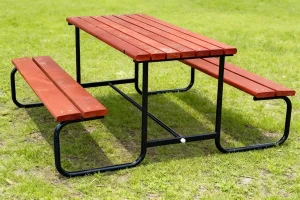
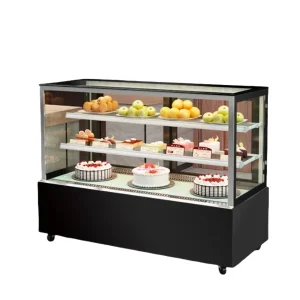
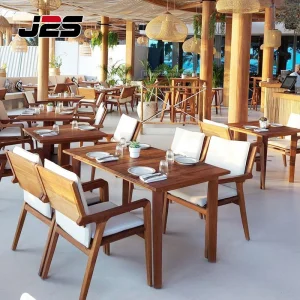
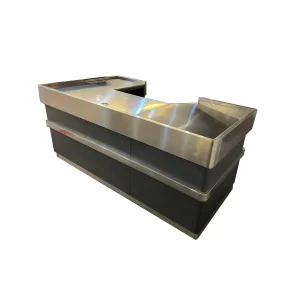
Premium-grade architectural furniture engineered for rapid installation and intense commercial traffic zones across Namibian commercial hubs.
The Quick Service Restaurant (QSR) sector in Southern Africa, and specifically in the Republic of Namibia, is undergoing a rapid architectural evolution. As urbanization intensifies across commercial epicenters such as Windhoek, Walvis Bay, Swakopmund, and Oshakati, international franchises and local food service startups alike are encountering unique infrastructural bottlenecks. The intersection of modern interior design trends, strict public sanitation protocols, and aggressive regional environmental elements mandates a sophisticated approach to hospitality furniture procurement.
For Namibia's commercial developers, franchise owners, and project procurement managers, sourcing contract-grade furniture is not simply an aesthetic consideration—it is a critical calculation of lifecycle cost (LCC), structural compliance, and supply chain reliability. This industrial brief explores the global and local trends shaping the QSR furniture ecosystem and details how high-efficiency manufacturing partnerships can significantly drive down CAPEX while guaranteeing superior durability.
Namibia presents a bifurcated climatic environment that poses severe engineering challenges for structural metals, composites, and organic materials. In inland metropolitan zones like Windhoek, high-altitude UV radiation rapidly degrades non-stabilized polymers, causing discoloration and structural embrittlement. Conversely, coastal logistics and retail nodes such as Swakopmund and Walvis Bay are subject to some of the world's most corrosive marine environments, characterized by dense salt-laden mists and high humidity levels.
Furthermore, the Namibian retail landscape is heavily influenced by the Southern African Customs Union (SACU) framework and South African franchise protocols. Major regional brands require strict adherence to global brand guidelines, including exact color matching, standardized ergonomics, and strict safety specifications. Procuring furniture that bridges the gap between cost efficiency and rigid international brand alignment has historically been a significant friction point for Namibian operators.
On a global scale, the QSR sector is transitioning away from fixed, single-purpose seating structures toward high-flexibility, modular layout architectures. The rise of multi-channel dining—driven by digital self-service kiosks, delivery dispatch models, and hybrid indoor-outdoor seating configurations—demands furniture designs that support varied flow dynamics. Modern dining tables and seating must allow for rapid re-configuration to accommodate fluctuating peak hours while maintaining comfort and safety.
In addition, global environmental, social, and governance (ESG) regulations have propelled sustainability to the forefront of contract furniture manufacturing. Multinational fast-food brands now require suppliers to verify the origin of timber (e.g., FSC-certified solid teak), ensure the recyclability of metallic structures, and guarantee low volatile organic compound (VOC) emissions across all adhesive and varnish systems. Sourcing certified sustainable furniture is no longer a corporate choice, but a requirement to maintain brand equity and comply with modern financial mandates.
As a leading global manufacturing hub, the industrial strength of Chinese contract furniture fabrication lies in its highly integrated supply chain ecosystem. Unlike localized, small-scale custom shops, advanced manufacturing facilities in China leverage automated CNC laser cutting, robotic welding processes, and automated electroplating lines to achieve unmatched quality consistency. This level of automation drastically minimizes human error, resulting in millimetric precision across high-volume production runs.
For Namibian buyers, the economic benefits of this manufacturing model are profound:
Understanding the exact location and physical environment of a QSR installation is crucial to selecting the appropriate furniture package:
The convergence of digital technology and interior design is reshaping commercial furniture design parameters.
1. Smart Tech Integration: The integration of wireless charging modules directly into solid teak and laminate table tops is becoming a standard request for urban QSR environments. Diners expect tables to function as micro-workspaces, particularly in transit hubs and business centers.
2. Antimicrobial Materials: The post-pandemic landscape requires materials that naturally resist microbial growth. High-touch surfaces like quick checkout counters and tabletop edges are increasingly treated with silver-ion antimicrobial coatings, enhancing customer safety and reducing cleaning labor costs.
3. Circular Design and Lifecycle Sourcing: Leading corporate purchasers are prioritizing products designed for disassembly. Choosing modular frames allows for quick component replacement—such as swapping a worn cushion or tabletop while retaining the structural steel frame—minimizing capital replacement cycles.
A systematic framework for Namibian retail procurement officers to mitigate risk and guarantee structural quality.
When executing bulk import projects via direct ocean freight, procurement teams should require validation of the following quality marks and certifications from manufacturing partners:
Establish direct communication with our industrial design and logistics export engineering teams. Secure customized CAD layouts, direct-to-port logistics quotes, and certified material samples.
Send Inquiry NowEssential technical answers regarding global manufacturing, customization capacities, and regional logistics for Namibian projects.
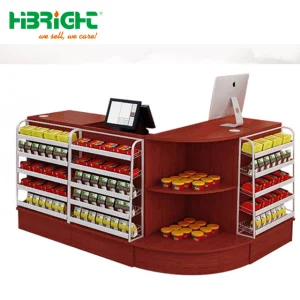
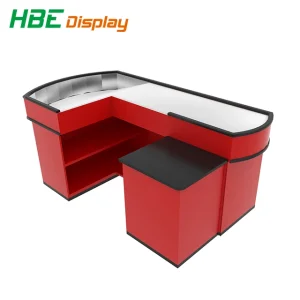
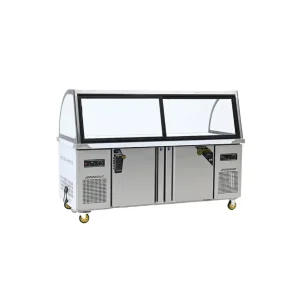
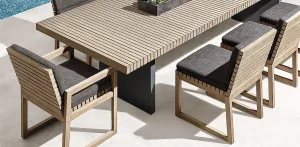
Engineered food service structures, ergonomic checkouts, and high-performance dining systems suitable for Namibian trade and retail environments.
 Coden Kitchen