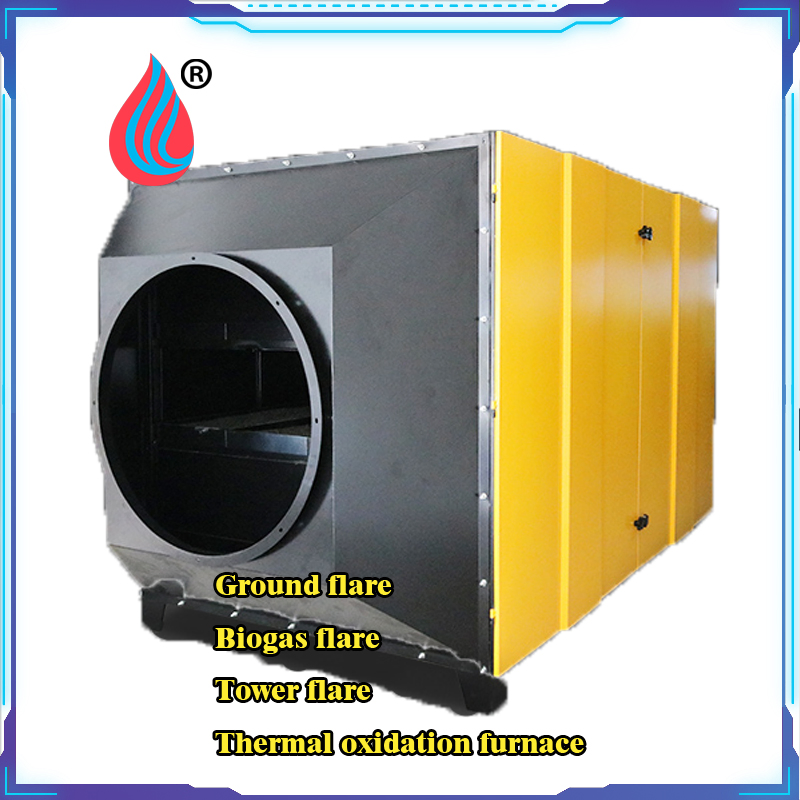
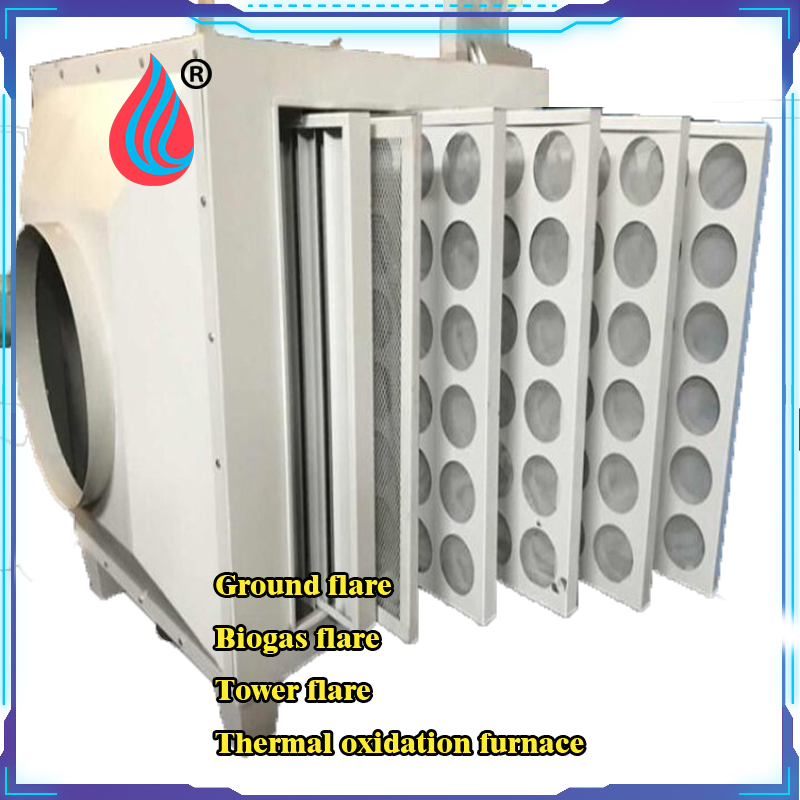
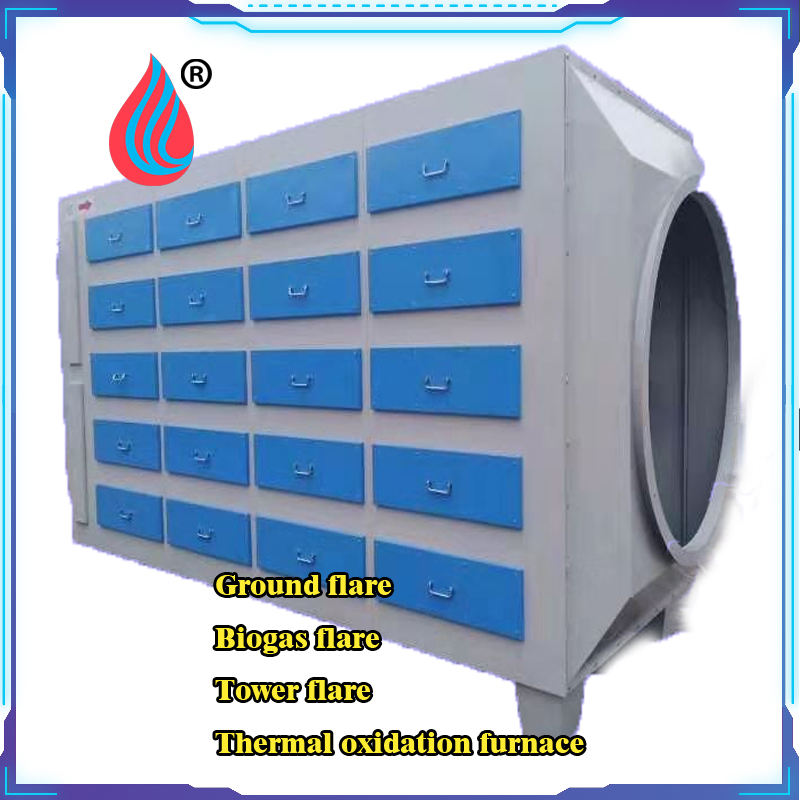
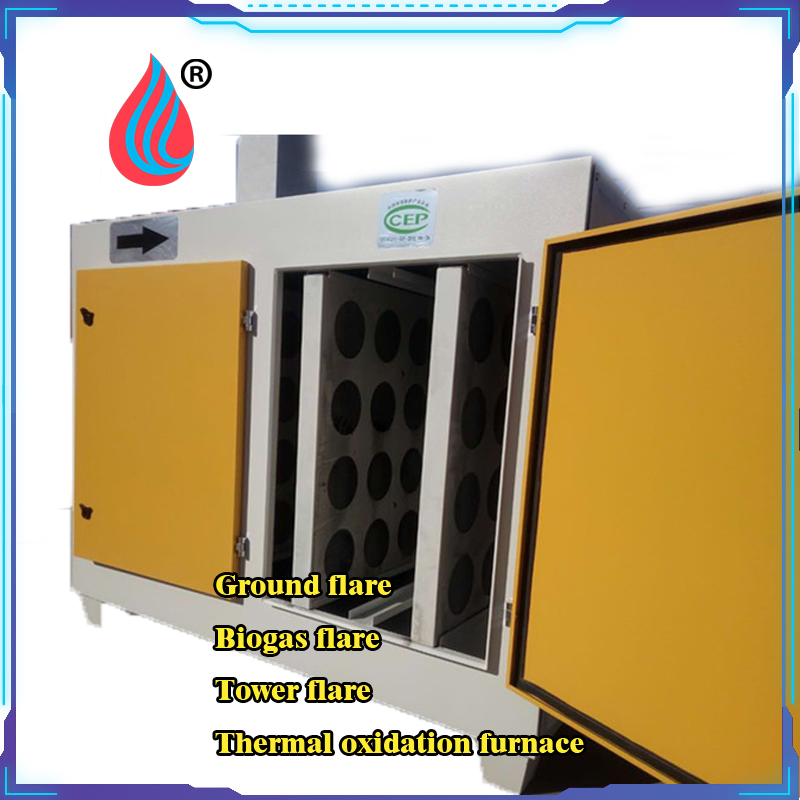
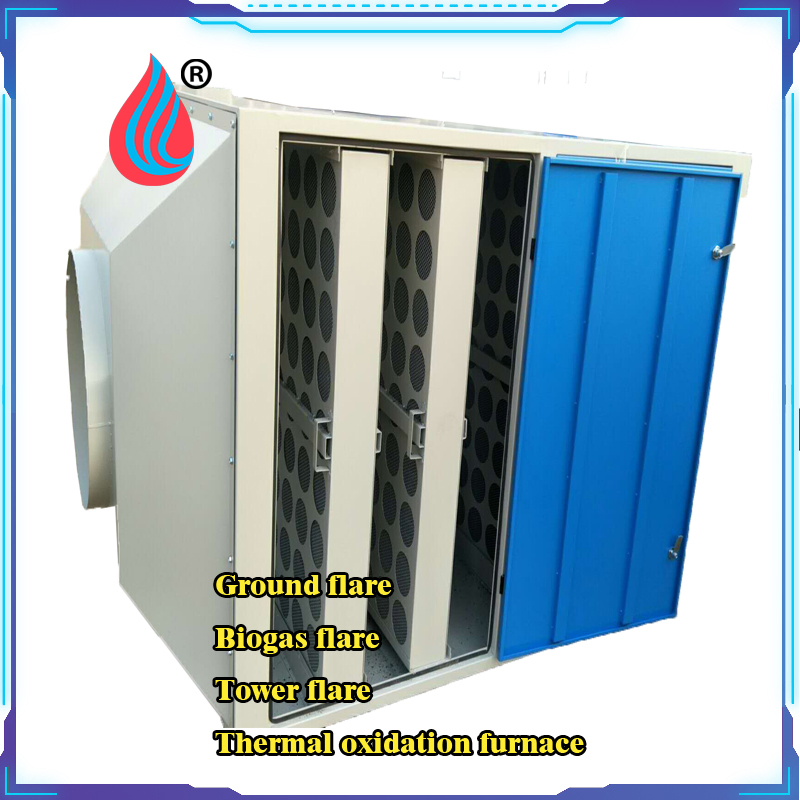
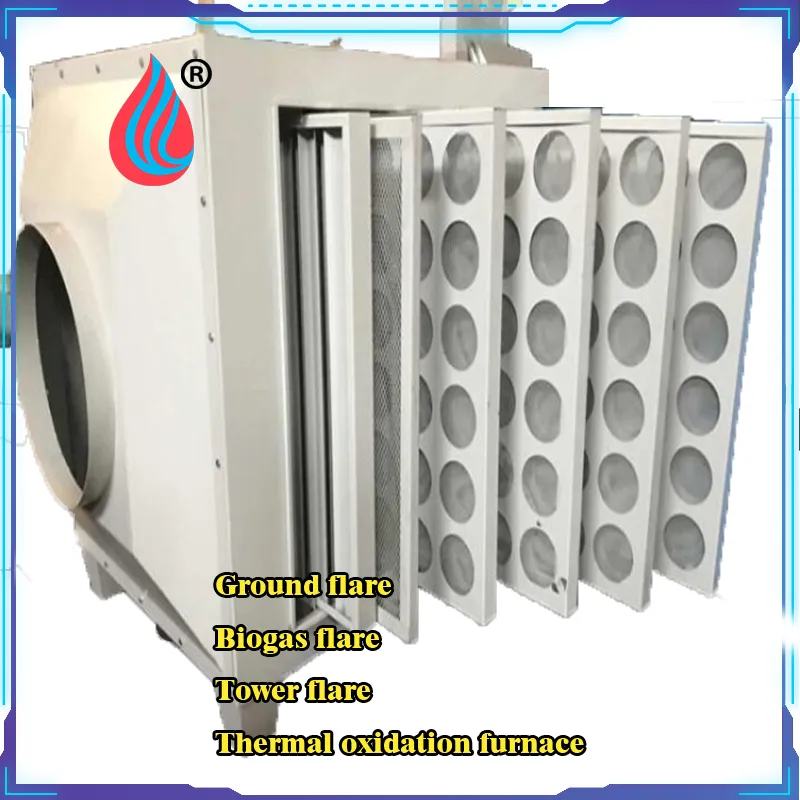
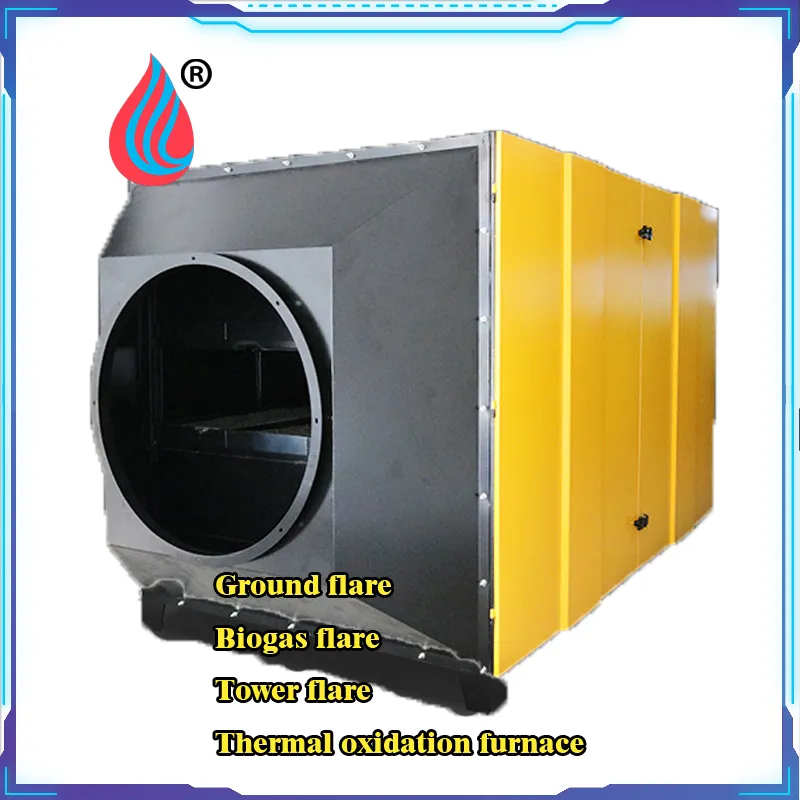
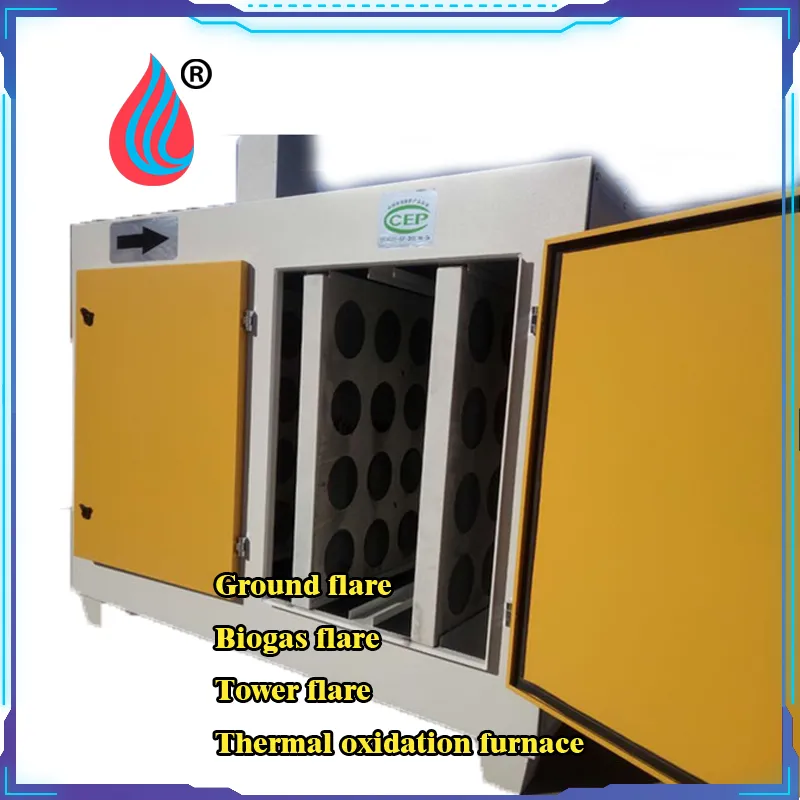
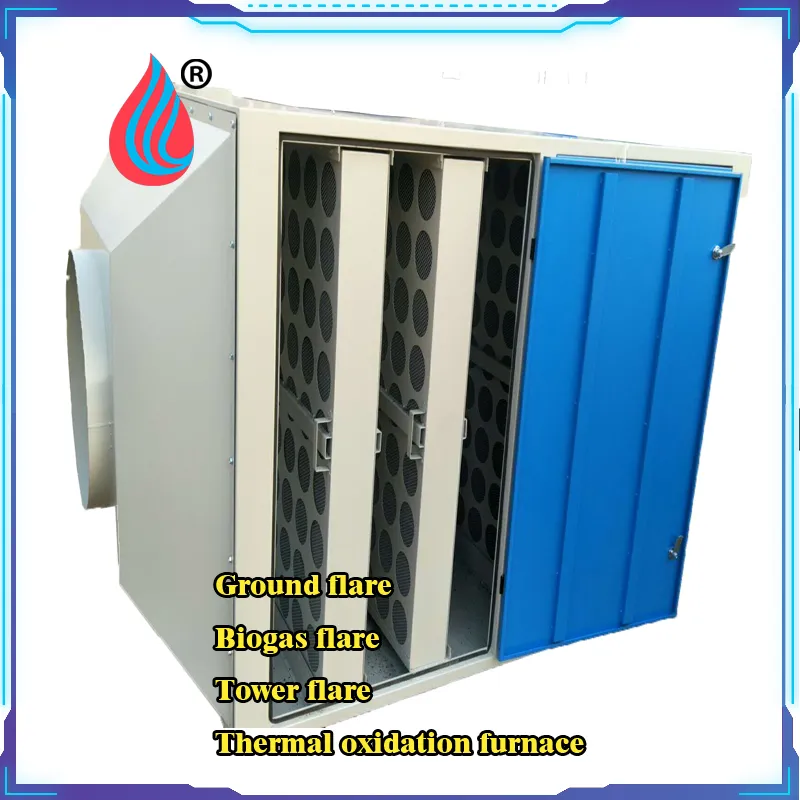
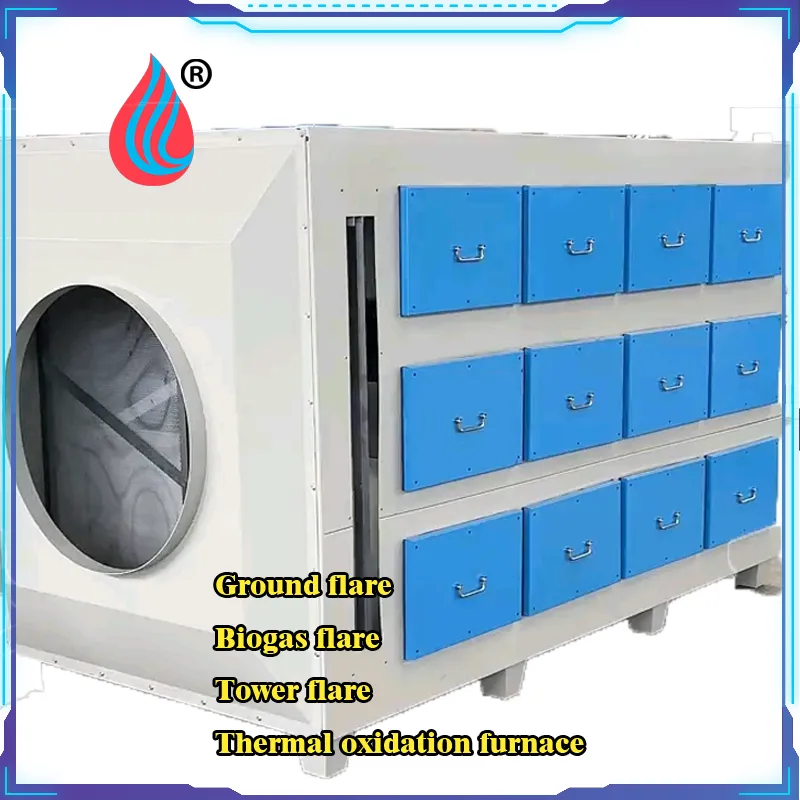
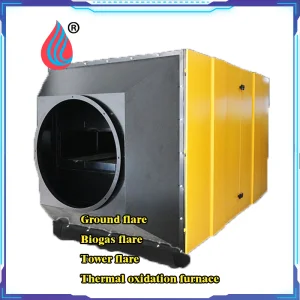
Activated Carbon Tanks & Catalytic Combustion Equipment: Efficient & Eco-Friendly Solutions for Industrial Waste Gas

Customization: Available
After-sales Service: Online Support
Warranty: 12 Months

Product Description

Basic Information
Model NO. Customizable Type Activated Carbon Chamber
Automation Automation Material Q235/304/316
Pollutant Removal Rate 80%-95% Certification ISO
Production Capacity 300 Sets/Year HS Code 9613800000
Scope of Application
  • Surface Coating Industry Applied in painting/spraying workshops of automobiles, furniture, and home appliances. Treats benzene, toluene, xylene, and resin volatiles.
  • Printing & Packaging Industry Used in flexible plastic packaging and color printing. Adsorbs solvent waste gases like ethanol, ethyl acetate, and ketones.
  • Chemical & Pharmaceutical Industry Employed in chemical synthesis and solvent recovery. Handles organic waste gases like methanol, acetone, and dichloromethane.
  • Rubber & Plastic Industry Utilized in rubber vulcanization and plastic granulation. Removes odorous gases such as olefins and sulfides.
  • Municipal Environmental Protection Applied in sewage treatment plants, waste transfer stations, and landfills to treat H2S, ammonia, and decay odors.
Working Principle
Activated Carbon Tank Process
Adsorption Mechanism
  1. Gas Uniform Distribution: Waste gas is drawn into the tank and distributed evenly via flow deflectors.
  2. Adsorption Filtration: VOCs and odorous molecules are trapped in micro-pores. Removal rate reaches 80%-95%.
  3. Regeneration: Thermal regeneration (80-120°C) or direct replacement restores purification capacity.
Technical Features & Operational Requirements
Maintenance
Safety Features
Industrial Installation
  • Temperature Control: Optimal performance below 40°C. Preheaters used for high-temp gas.
  • Concentration Management: For VOCs > 2000mg/m³, pre-concentration devices are recommended.
  • Safety Systems: Grounded for static protection with flame-retardant carbon for flammable gases.
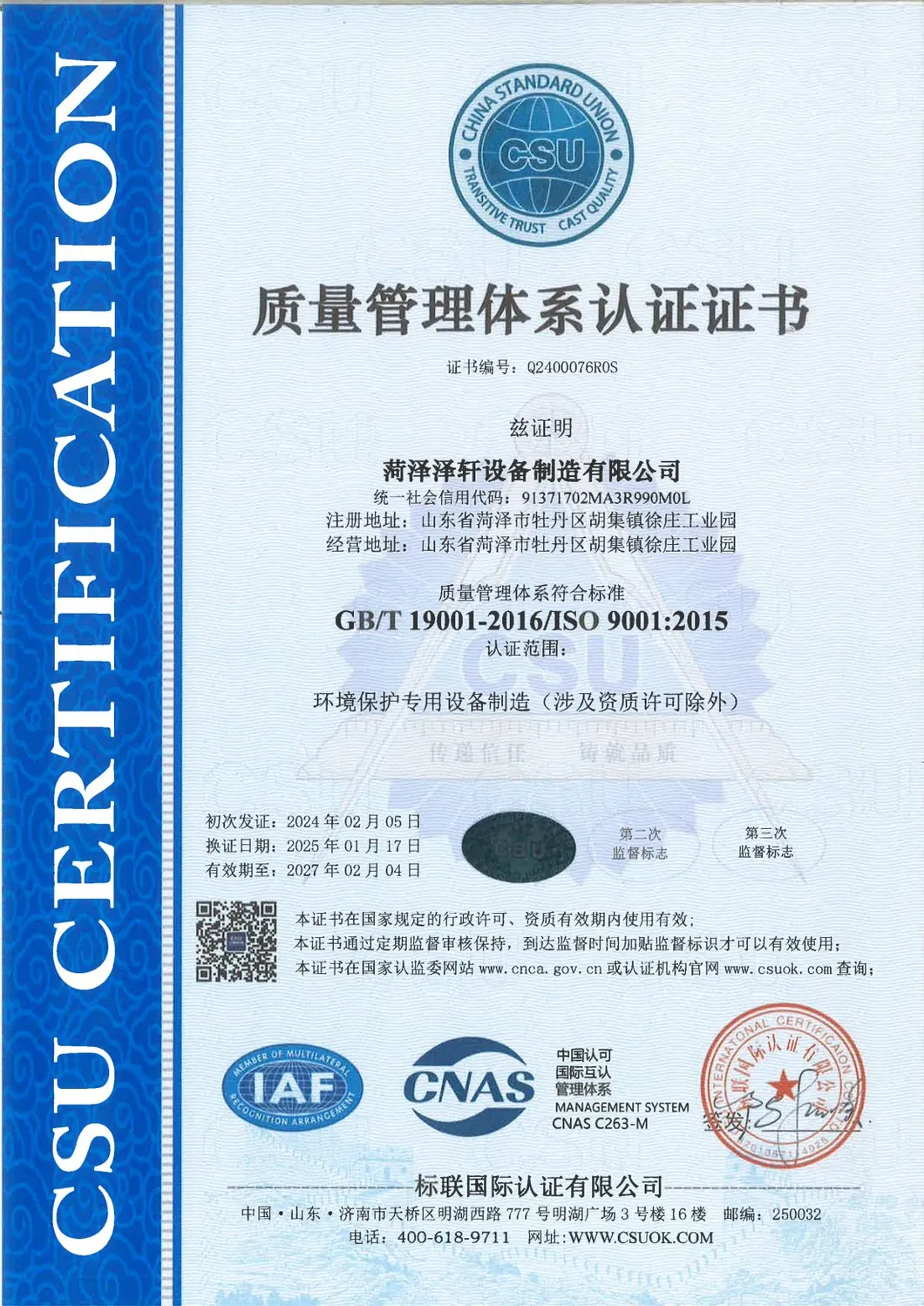
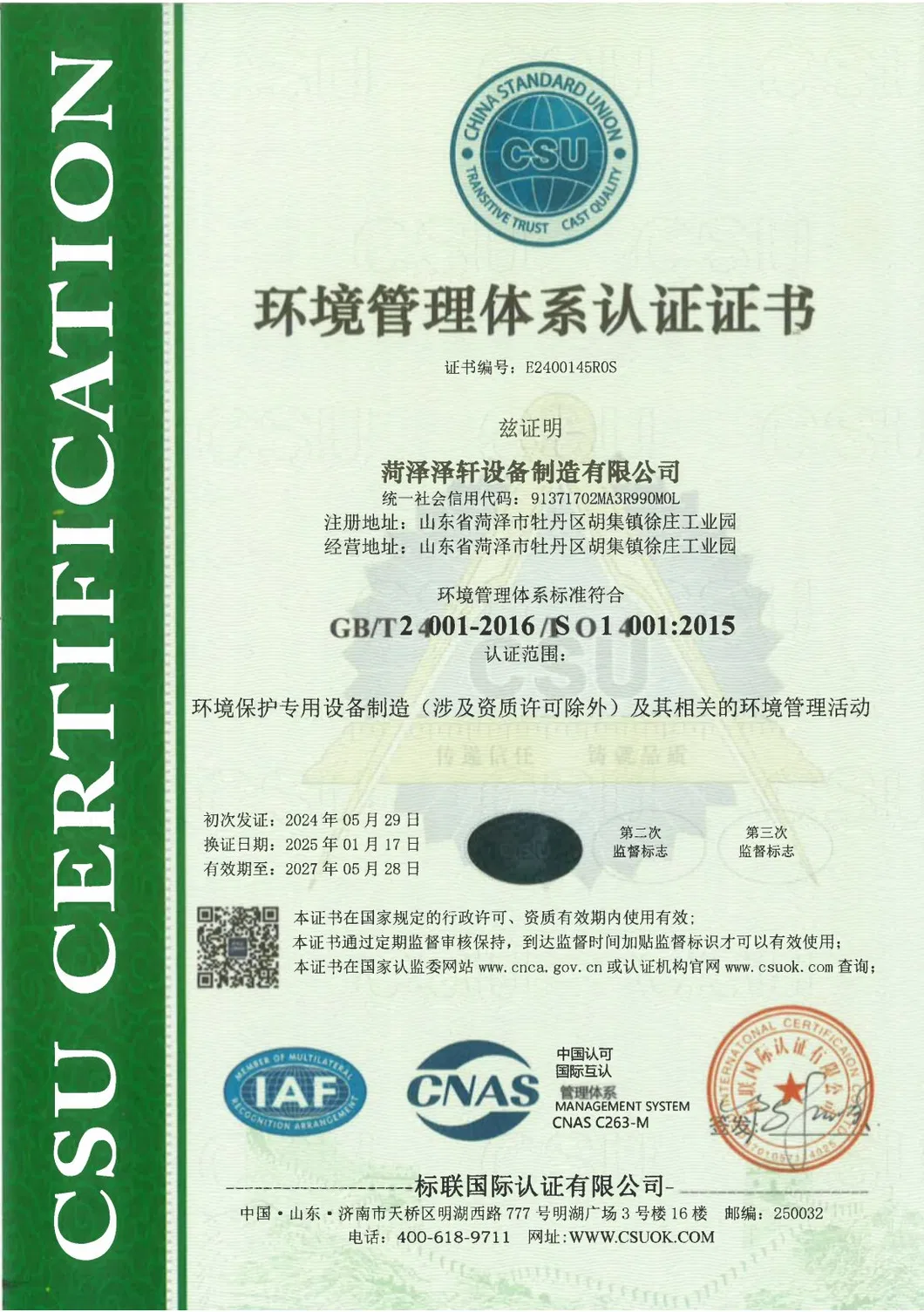
Certifications
ISO Certification 1
ISO Certification 2
ISO Certification 3
Frequently Asked Questions
What are the main types of biogas flares available?
We offer both enclosed and open biogas flares. Enclosed flares provide better combustion control, reduced noise, and lower heat radiation, while open flares offer a simpler, cost-effective structure.
How do I determine the right processing capacity for my project?
The processing capacity (m³/h) is determined by the volume of biogas generated. We calculate the required specifications based on your specific biogas generation data to ensure efficiency.
What ignition methods are supported for the equipment?
Standard options include electronic ignition for high reliability and automatic ignition for smart, remote-controlled operations and automatic startups.
How does combustion temperature affect the system?
Higher temperatures ensure full combustion and lower emissions. Our systems are designed to maintain optimal temperatures within a safe range to prevent equipment damage.
Is the equipment compliant with international standards?
Yes, the products comply with global environmental protection and safety standards, and we provide all necessary certification documents for international markets.
How is the durability of the activated carbon tanks ensured?
We use high-quality materials (Q235, 304, or 316 stainless steel) and advanced manufacturing processes. Regular maintenance and proper temperature control further extend the service life.

Related Products