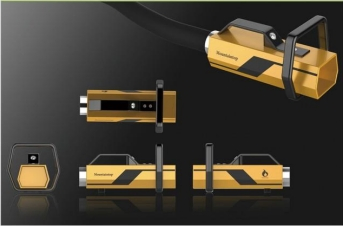
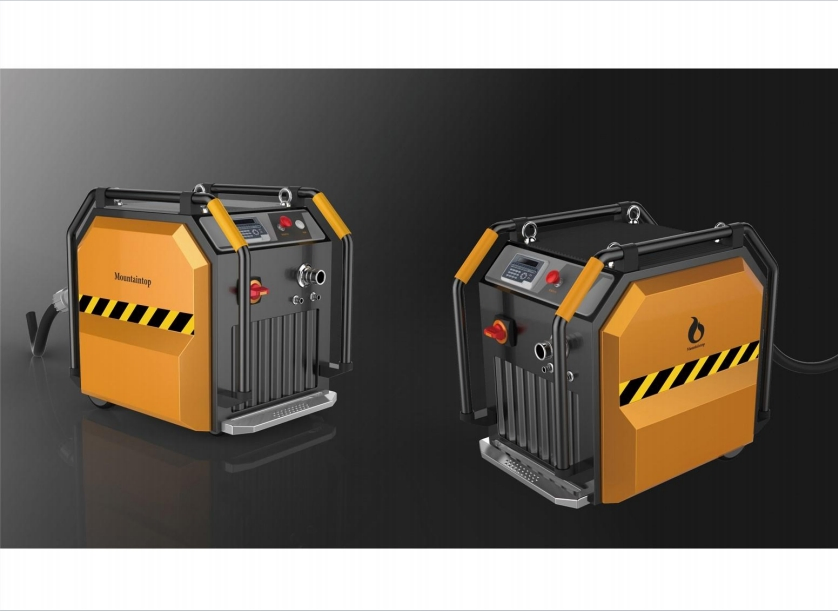
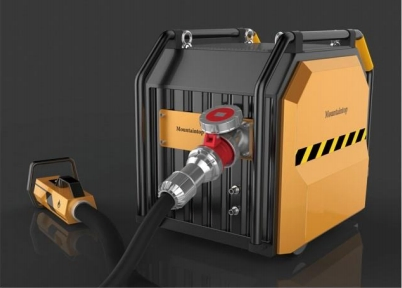
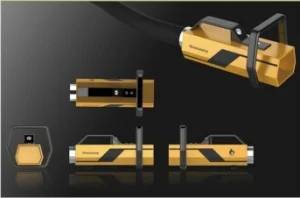
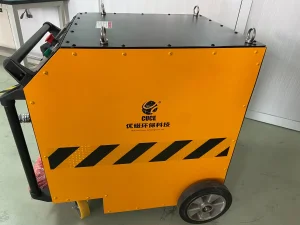
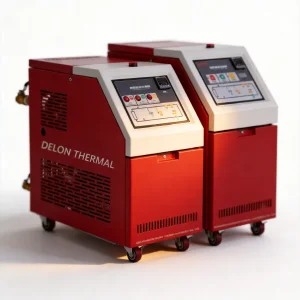
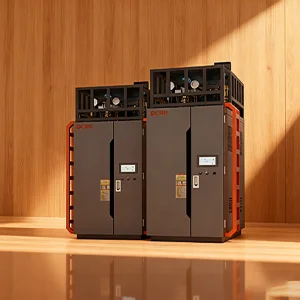
🔹 Basic Specifications
Performance
Temperature Resistant
Customizable
Sensor Head Component
Electrical Specs
3-Phase + Ground
Cooling Water
< 35 Degrees
Specification
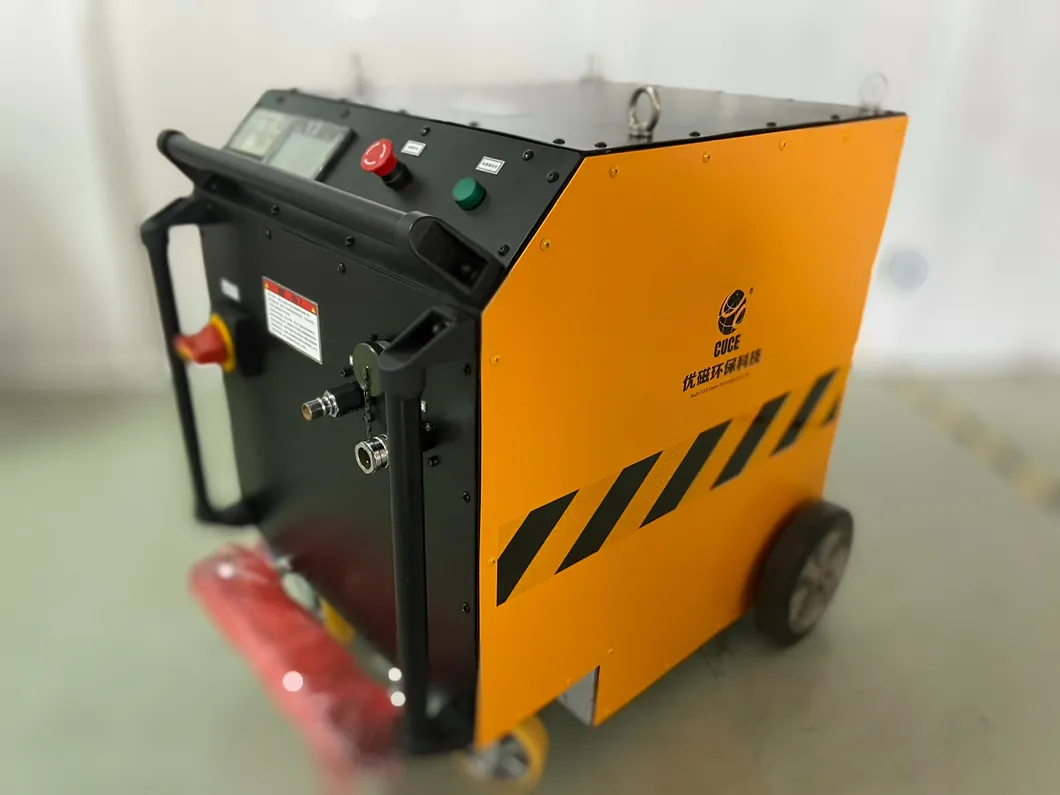
780mm*750mm*820mm
💡 Product Overview
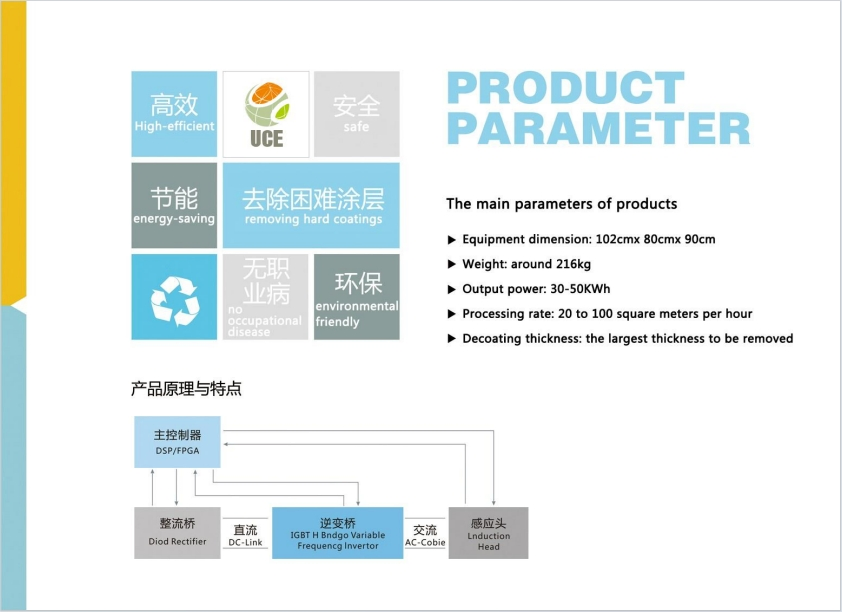
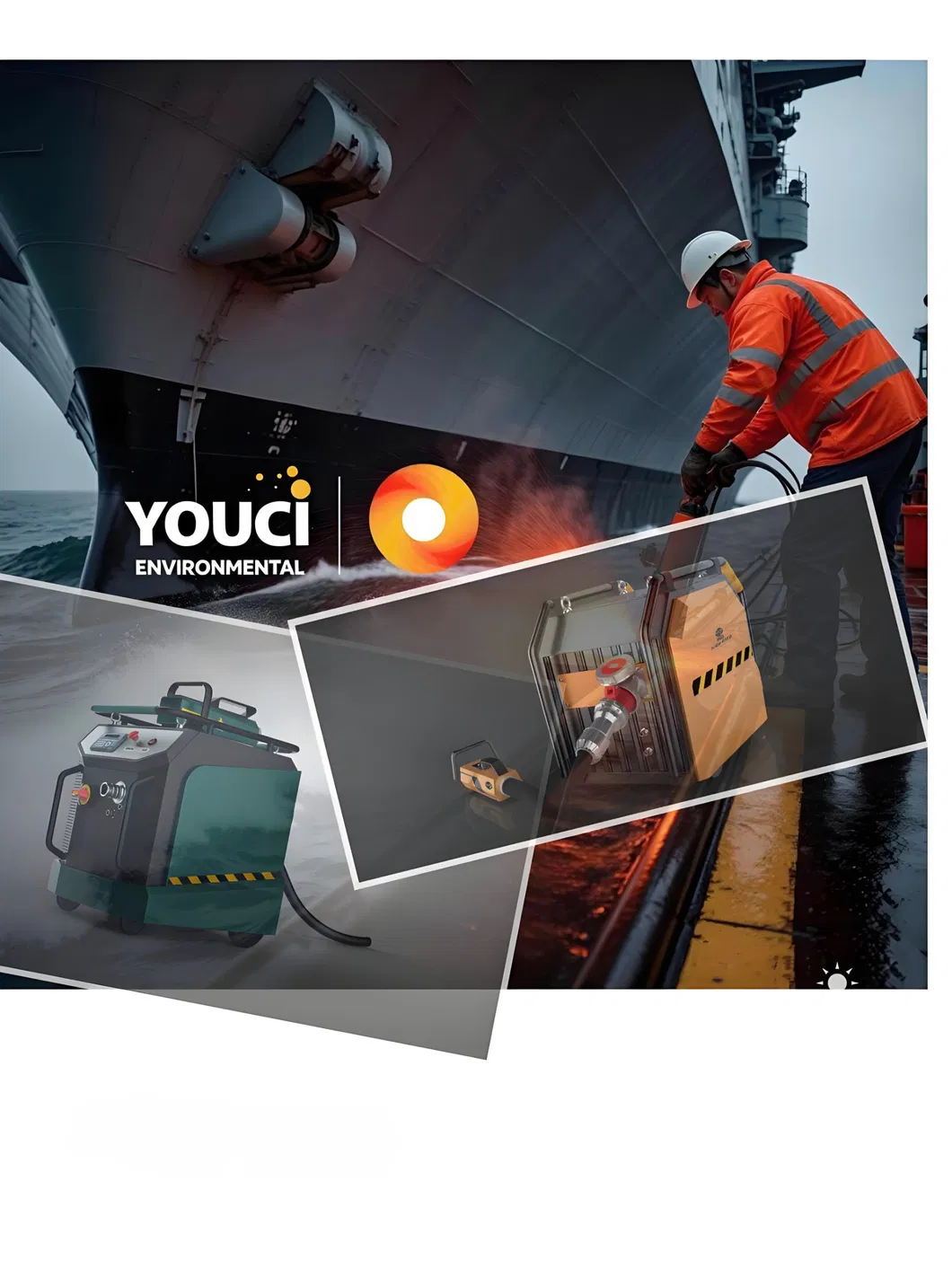
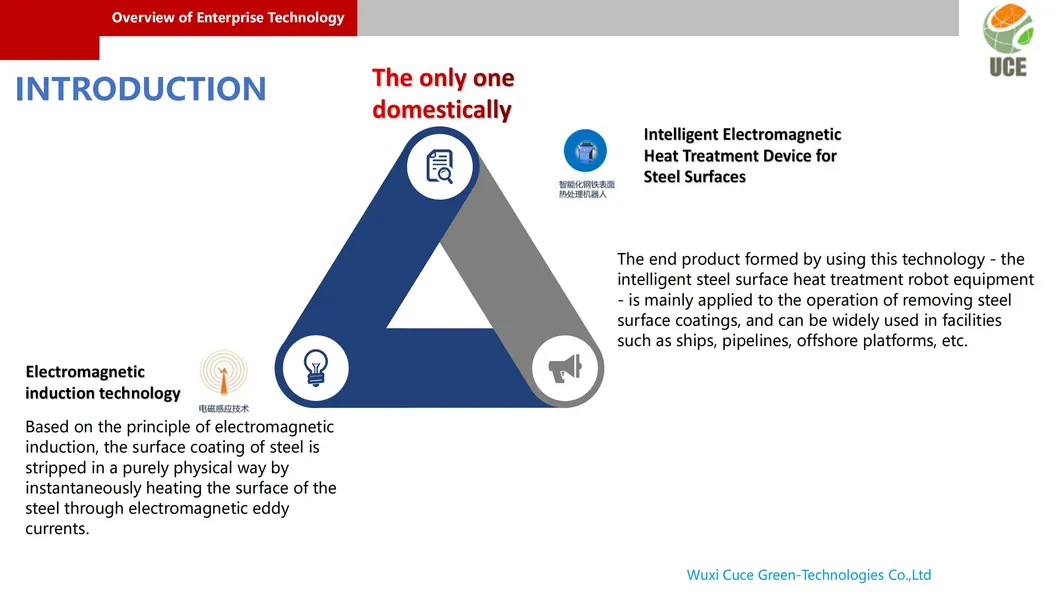
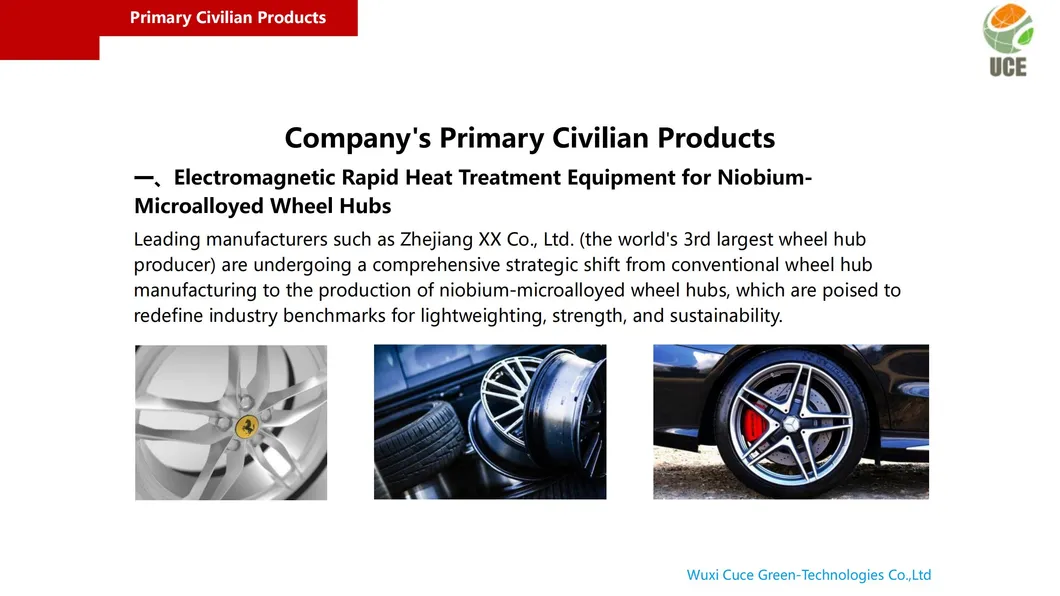
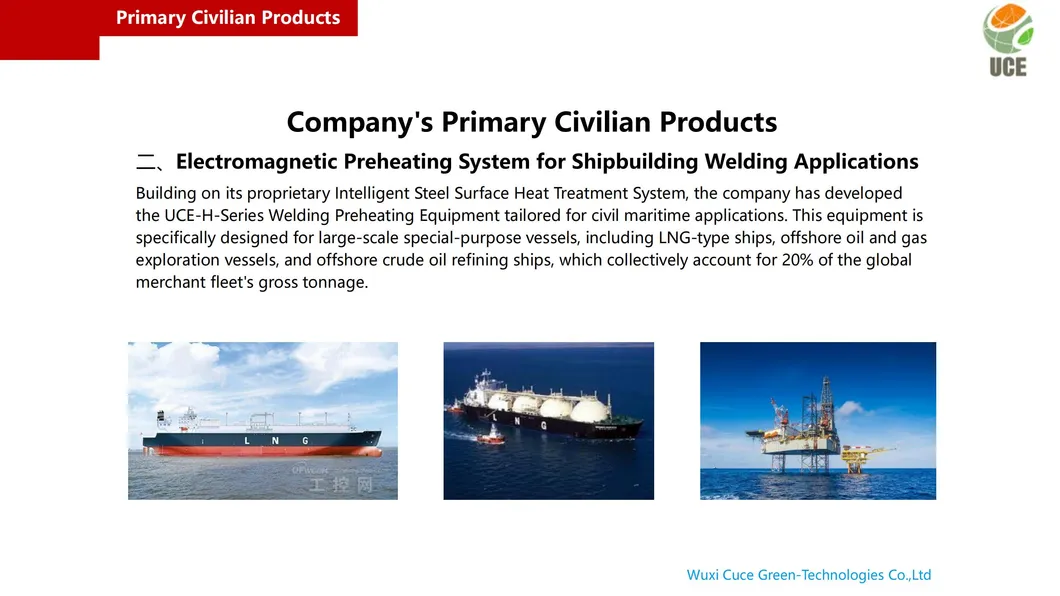
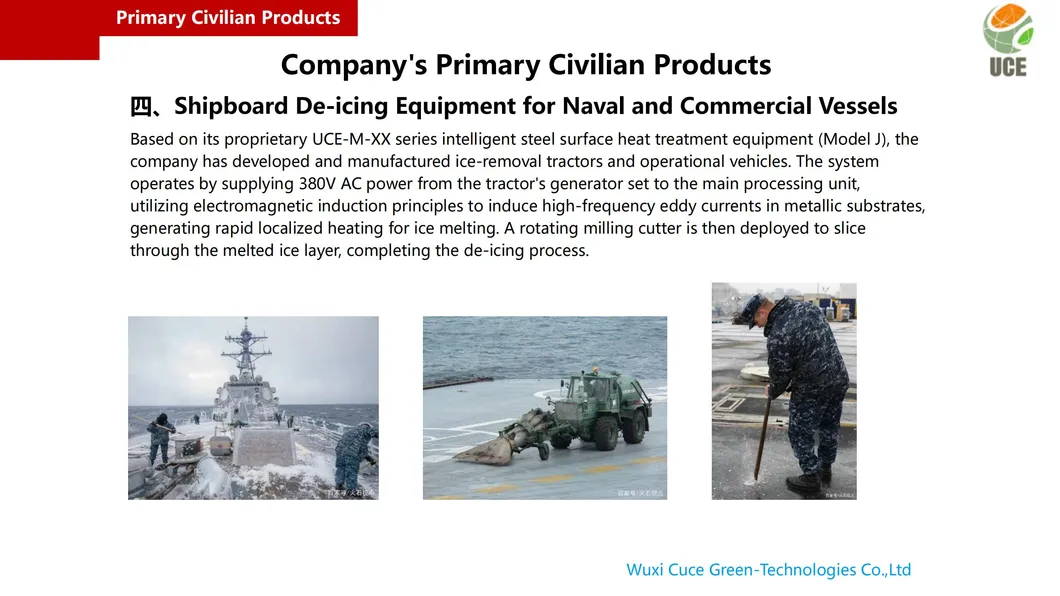
Research on the application requirements of electromagnetic rapid heating equipment for steel welding preheating on the surface of steel substrates, targeting stakeholders such as shipbuilding units, ship owners, and ship maintenance units. We conducted a survey on the application requirements of electromagnetic rapid heating on the surface of steel substrates for steel welding preheating, exploring the engineering application direction of high-frequency electromagnetic induction rapid heating for steel welding preheating technology in ship construction & repair.
🛡️
Core Focus: Focusing on high pollution, high energy consumption, and high manual consumption issues such as welding preheating for special ships, energy pipelines, offshore oil platforms, and steel structure buildings.
Based on the application requirements, research was conducted on the software and hardware architecture of the electromagnetic rapid heating device. Through comprehensive analysis of the construction & repair process, a miniaturized surface electromagnetic rapid heating device for steel equipment was developed. This realizes a new technological development and compensates for the shortcomings of traditional technologies.
⚡
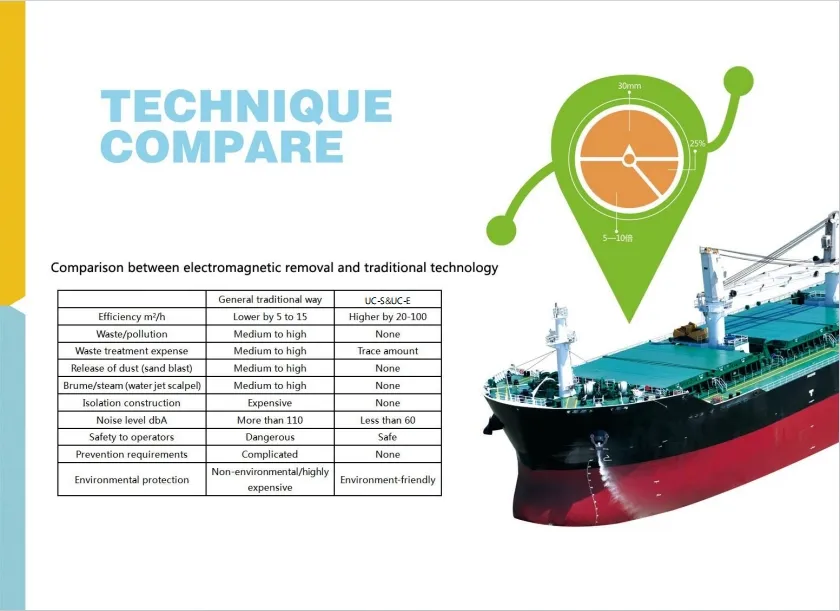
Efficiency & Environment: Provides an efficient, energy-saving, and environmentally friendly new technological solution to solve welding preheating problems, reducing occupational disease risks and marine pollution.
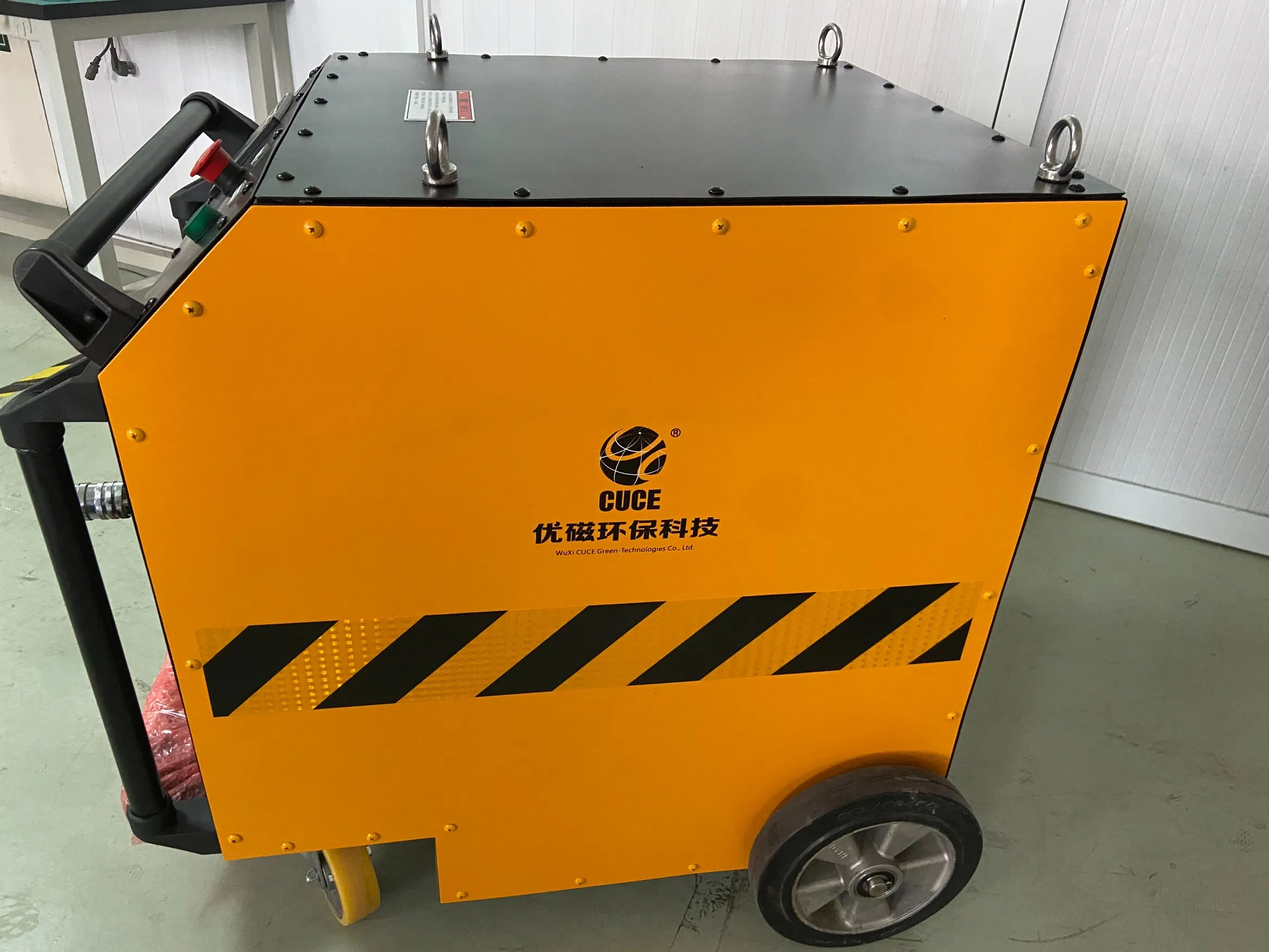
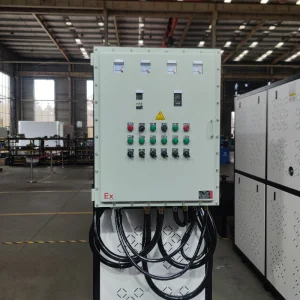
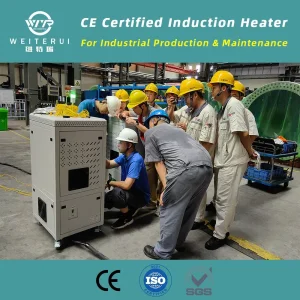
📸 Field Verification & Details
Frequently Asked Questions (FAQ)
Q1: What are the primary applications for the UCE-H electromagnetic heating equipment?
A1: It is specifically designed for steel welding preheating in industries such as shipbuilding, offshore oil platforms, energy pipelines, and large-scale steel structure buildings.
Q2: What are the key environmental benefits of this technology?
A2: Compared to traditional open-flame methods, it significantly reduces pollution, energy consumption, marine emissions, and helps prevent occupational diseases related to hazardous fumes.
Q3: Is the heating sensor head customizable?
A3: Yes, the sensor head component is customizable to accommodate different surface geometries and specific industrial requirements.
Q4: What are the electrical and cooling requirements?
A4: The device requires a 380V voltage with a 125A current. The cooling water temperature must be maintained at less than 35 degrees Celsius for safe operation.
Q5: How portable is the UCE-H unit?
A5: The equipment is designed to be miniaturized and is categorized as "Easy to Move," making it ideal for practical field tests and onsite ship repair work.
Q6: What certifications does the equipment hold?
A6: The equipment is ISO certified, ensuring adherence to international quality and management standards.
 Coden Kitchen