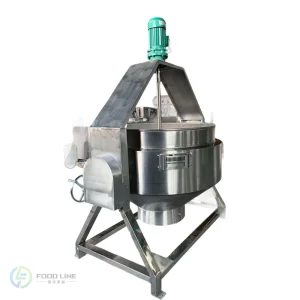
Waste Plastic/Tyre Pyrolysis Oil Plant Used Cooking Oil Making Biodiesel Equipment

Customization: Available
After-sales Service: Field Installation, Commissioning and Training
Warranty: 1 Year

Product Description

Basic Specifications
Type
Grease Complete Sets of Equipment
Application
Waste Oil
Voltage
380V
Appearance
Vertical
Press Materials
Waste Oil
Condition
New
Advantage
Energy Saving
Materials
Carbon Steel and Stainless Steel
Specification
5TPD-500TPD
Capacity
20 Sets/Year
Product Description

Waste Plastic/Tyre Pyrolysis Oil Plant Used Cooking Oil Making Biodiesel Equipment

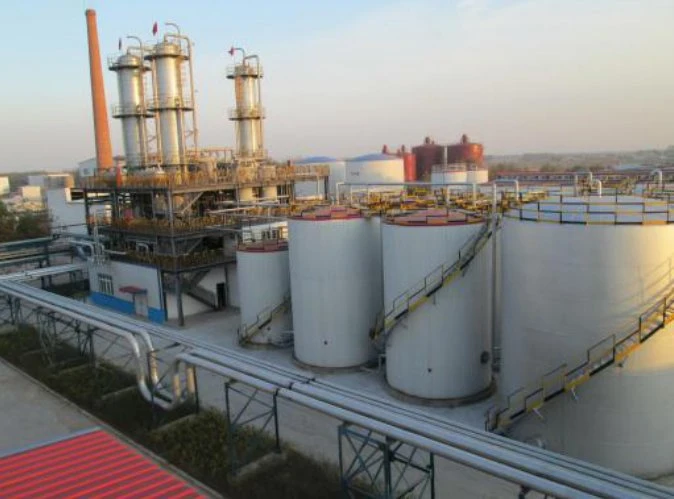
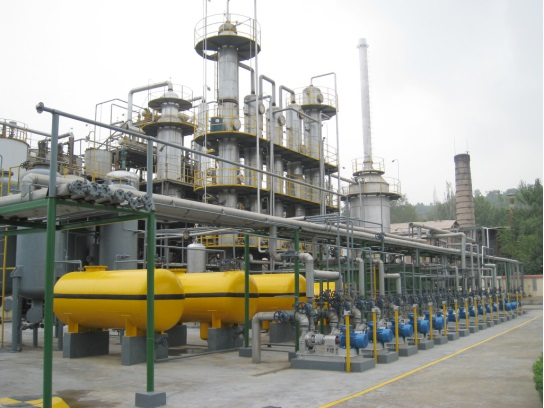
Biodiesel is used for the chemical industry field, converting bio-oil into biodiesel. Bio-oil can be plant oil, animal oil, or high acid value waste oil. In today's growing petroleum tension, biodiesel offers a significant market alternative to petroleum and other fossil fuels. The raw materials are environmentally friendly. We offer 5-1000T/D biodiesel projects, including engineering design, equipment manufacturing, technical services, and product research.

Key Materials: Vegetable oil, refined offcuts of oil plant (soap stock, oil foot, deodorized extract matter, waste bleaching clay), Jatropha seed oil, animal oil, used cooking oil, and other oils.
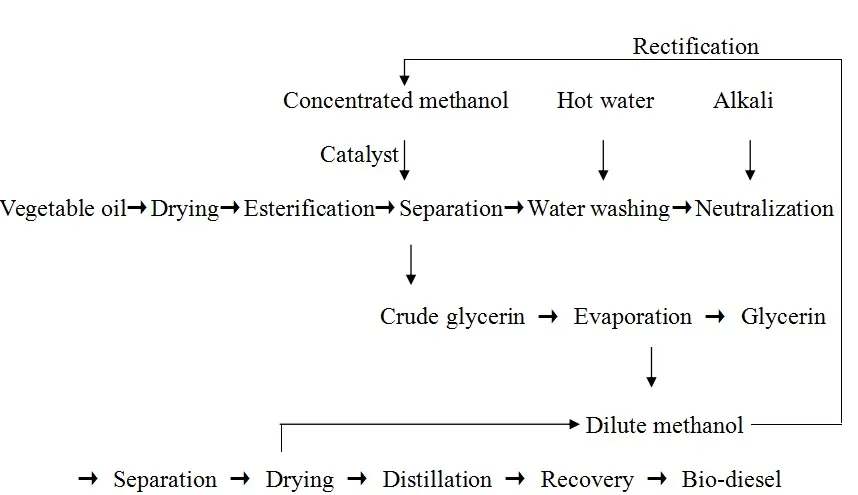
Non-Acid Method Biodiesel Preparation

To reduce "acid residue" and "sodium waste" in production, a new non-acid-catalyzed technology has been developed. This process uses fatty acids containing a large amount of oil under specific pressure, temperature, and special alloy catalysts for pre-esterification reactions with industrial-grade glycerol, generating a mixture of monoglycerides, diglycerides, and triglycerides.
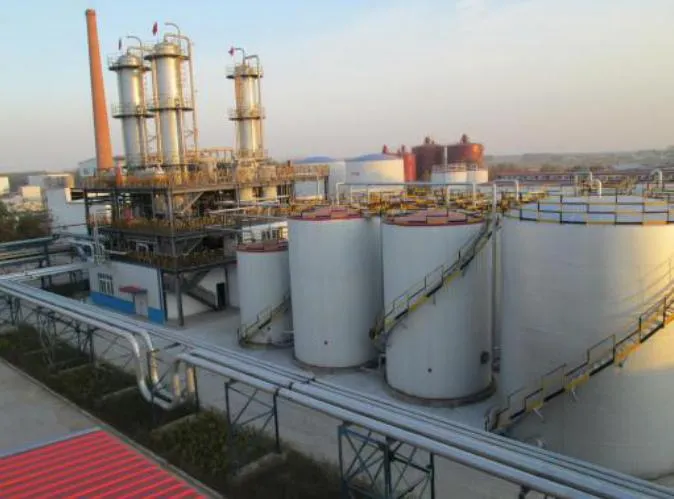
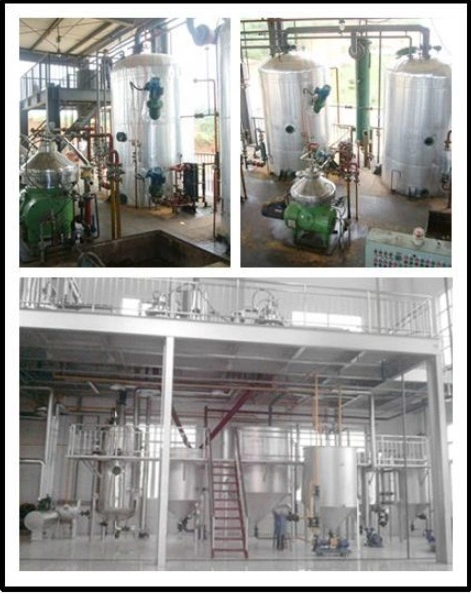
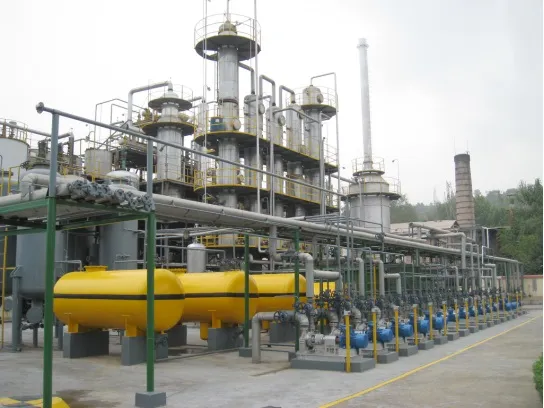
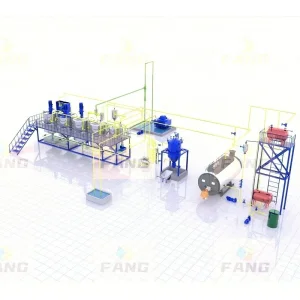
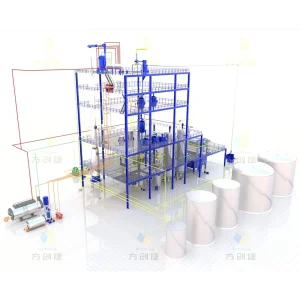
Biodiesel Equipment Layout
Process Advantages
  • No sulfuric acid participation: Does not produce acid residue or sodium waste.
  • High concentration of byproduct crude glycerin, conducive to industrial distillation.
  • No methyl vapor generator required, saving steam and reducing methanol consumption.
  • Meets European Union Standards with patented technology.
Production Steps
Step 1
Preprocessing: Bio-oil heated to 65~70°C to remove impurities.
Step 2
Drying: Bio-oil is dehydrated and dried.
Step 3
First Esterification: Methanol with 3% sulfuric acid added; lasts 1.5~2.5 hours.
Step 4
Second Esterification: Reaction takes 9~12 hours.
Step 5
Vacuum Drying: Reactants dried to reduce water content below 3%.
Step 6
Distillation: Heated to 220°C in vacuum to form liquid biodiesel.
Step 7
Methanol Recovery: Remaining methanol is distilled and reused.
Process Chart 1
Process Chart 2
Process Chart 3
Equipment Performance & Features
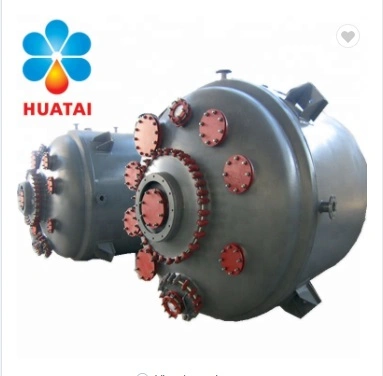
Equipment Detail
  • High Conversion: Conversion rates reaching up to 85%.
  • Cold Start: Cooling point can reach -10°C without additional agents.
  • Lubrication: Ensures low wear rate for oil spraying pumps and engine components.
  • Safety: High flash point ensures it is not classified as dangerous goods.
  • Eco-friendly: Low sulfur content and high biodecomposition rate.
  • Low Residue: Combustion char is as low as 0.02%.
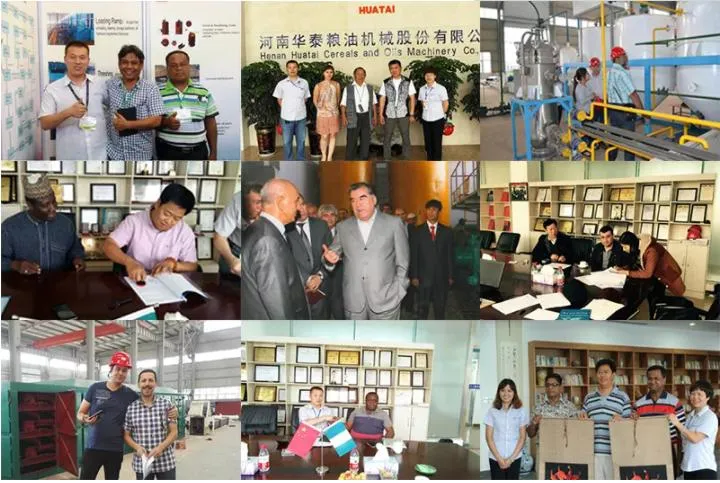
Project Scope & International Cases

Scope includes 10~5000TPD oilseed pretreatment, solvent extraction, refining, and non-acid catalysis biodiesel projects.

Region Project Description
Egypt100TPD Soybean Pretreatment and Extraction Equipment
Swaziland30T Soybean Oil Refining Equipment
Nigeria50TPD Peanut Pretreatment & 15TPD Refining Equipment
Russia50TPD Soybean Oil Production Line
Ethiopia50TPD Fully Continuous Sunflower Oil Refining Equipment
Uzbekistan50T Oilseeds Pretreatment, Extraction and Refining
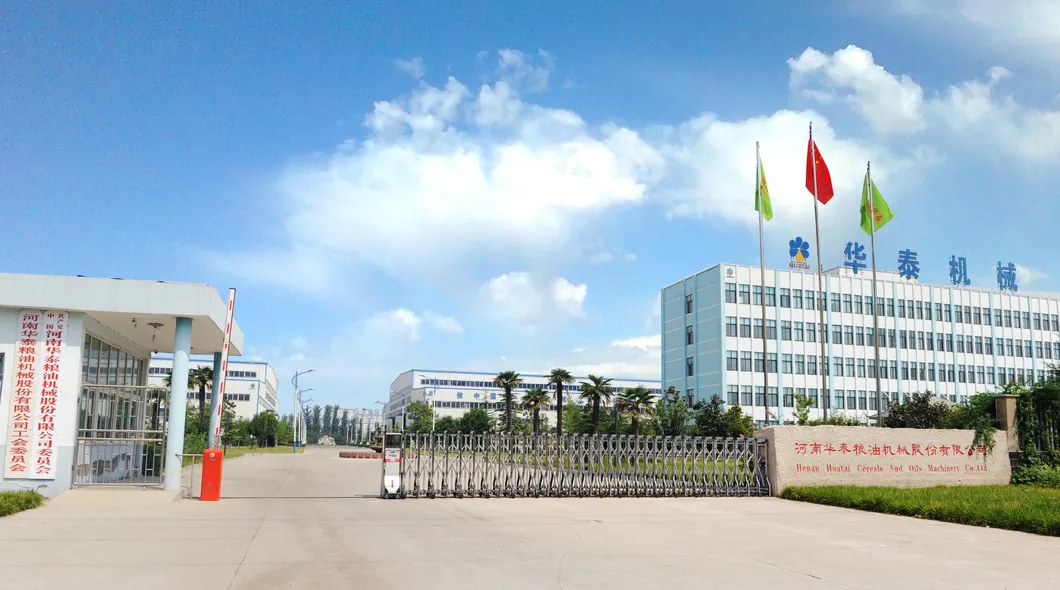
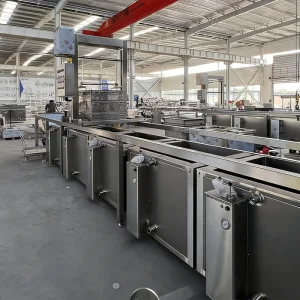
Factory View
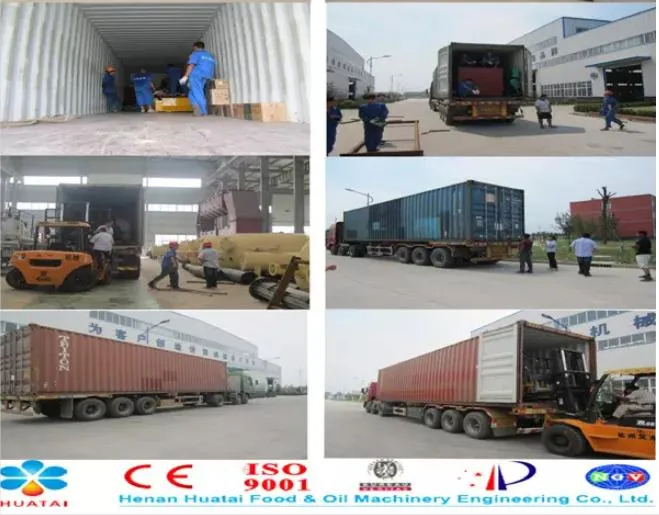
Packing and Shipping
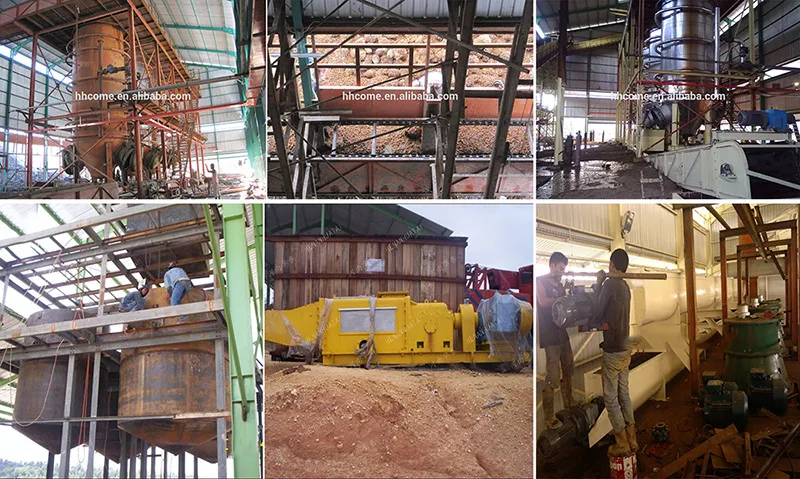
Installation Site
Quality Standards & Installation
Installation Process
Business Scope Map
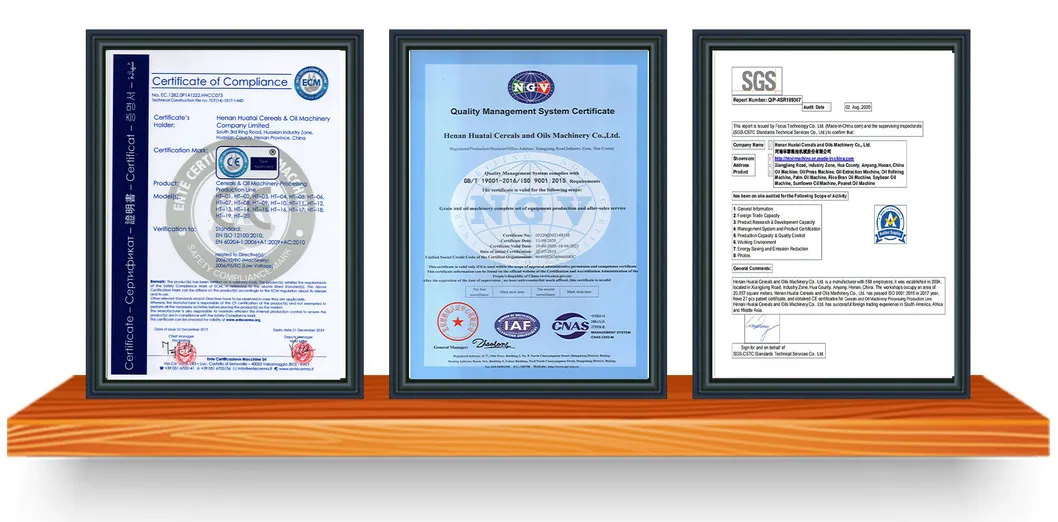
Certificates
Frequently Asked Questions
Are you a manufacturer or a trading company?
We are a factory with more than 30 years of experience in oil equipment manufacturing.
What is your after-sale service?
We provide operation videos and manuals. If necessary, we send engineers to the site to train your workers and assist with installation.
How can I get a specific quotation for my project?
Please provide the type of raw seeds/oil, the required daily capacity (tons per day), and the desired quality of the end product.
How long is the production lead time?
As a general rule, it takes approximately 1-2 months for the production of the equipment sets.
Do you offer overseas installation?
Yes, we provide professional installation engineers to help set up the equipment and offer free technical training for your staff.
What raw materials can be used for biodiesel production?
Materials include vegetable oil, animal fats, soap stock, oil foot, waste bleaching clay, Jatropha oil, and used cooking oil.

Related Products